Showing posts with label Reading. Show all posts

Friday, March 6, 2026

How Phonics Worksheets Benefit Young Learners

An illustrated infographic by Abundant Family Living titled 'Benefits of Phonics Worksheets for Early Readers.' A young boy smiles while completing a phonics printable at a desk, surrounded by four highlighted benefits: solidify letter-sounds, develop fine motor skills, enhance visual discrimination, and foster independence.
Benefits of Phonics Worksheets For Early Readers

How Phonics Worksheets Benefit Young Learners

Watching your child sound out their very first word is a magical milestone. But if you are teaching reading at home or supporting your kindergartener's classroom learning, you might be wondering what tools actually work best. Between flashcards, apps, and games, it is easy to feel overwhelmed.

While hands-on play is incredibly important, simple, well-designed phonics worksheets remain one of the most effective tools for early literacy. Learning to read should feel like a natural, gentle progression rather than a stressful chore.

Here is a look at why adding high-quality phonics printables to your daily routine can make a world of difference for your young learner.

1. They Solidify Letter-Sound Connections

Reading is essentially decoding a secret visual language. Phonics worksheets help children bridge the gap between recognizing a letter (like "A") and associating it with a sound (like "ah" for apple). When a child is asked to look at a picture of a cat and choose the correct starting letter, they are actively practicing that crucial letter-sound correspondence. It gives them the repetitive, focused practice their brains need to make those connections permanent.

2. They Build Fine Motor Skills

A great phonics activity isn't just about reading; it's about physical development, too! The best worksheets seamlessly integrate fine motor practice.

  • Coloring: Shading in the correct letter bubble strengthens grip and hand endurance.

  • Cutting and Pasting: Snipping out letters and gluing them next to corresponding pictures develops hand-eye coordination and scissor skills.

  • Drawing Lines: Tracing paths or drawing arrows to match a picture to a sound helps build the exact muscle control needed for handwriting later on.

An educational infographic by Abundant Family Living titled 'Key Benefits of Phonics Worksheets for Early Readers.' It highlights four benefits with illustrations: Solidify Letter-Sounds showing a cat and the letter C; Develop Fine Motor Skills showing hands coloring and cutting; Enhance Visual Discrimination showing a magnifying glass focusing on a dinosaur; and Foster Independence showing a happy child studying at a desk.
Key Benefits of Phonics Worksheets for Early Readers

3. They Foster Independent "Quiet Time" Learning

Let’s be honest—parents need a few moments of peace during the day! One of the greatest hidden benefits of phonics worksheets is that they encourage independent learning. Once a child understands the basic directions (like "color the picture that starts with this letter"), they can often complete the page on their own. This builds their confidence, teaches them how to focus on a single task from start to finish, and gives you a chance to prep lunch or enjoy a hot cup of coffee.

4. They Provide Visual Discrimination Practice

To an untrained eye, a lowercase "b" and a lowercase "d" look exactly the same. Worksheets train a child's eyes to notice tiny details and differences. When they have to hunt through a row of images to find the one that starts with a specific letter, they are developing visual discrimination—a vital skill for eventually distinguishing between similar-looking sight words.

5. They Give Parents a Clear Roadmap

When you are trying to teach phonics at home, it is easy to accidentally skip steps. Worksheets provide a structured, bite-sized way to review specific concepts. You don't have to overthink your lesson plan; you can just print a page that targets beginning sounds, hand over some crayons, and know that your child is getting valuable, focused practice.


Looking for a stress-free way to practice these skills at home?

If you want to bring the benefits of phonics practice into your home without any complicated prep work, check out my Playful Alphabet Sounds Activity Bundle in the Abundant Family Living shop!

This 4-page digital download is packed with engaging, low-mess activities including color-the-sound bubbles, snip-and-stick letter matching, and picture hunting. Just print the pages, grab a few crayons and a glue stick, and watch your little one's reading confidence grow!

PIN ME!

A Pinterest graphic titled "4 Key Benefits of Phonics Worksheets for Early Readers." A smiling young girl with glasses is happily working on a beginning sounds matching worksheet with a green crayon. The bottom text reads, "Boost early reading confidence at home!" next to the Abundant Family Living logo.
  • Benefits-of-Phonics-Worksheets-Early-Readers-Kindergarten

  • Friday, March 28, 2025

    The Benefits of Teaching Spelling to Younger Children

    The Benefits of Teaching Spelling to Younger Children
    The Benefits of Teaching Spelling to Younger Children

    The Benefits of Teaching Spelling to Younger Children

    Phonics and reading comprehension is important during a child's young formative years, and teaching spelling has a plethora of benefits that can significantly aid a child’s overall language development. Here are several benefits of teaching spelling to younger children.

    Foundation for Reading Skills

    Teaching spelling to young children lays a strong foundation for reading. When children learn to spell, they begin to recognize the patterns and sounds of letters, which directly correlates with phonemic awareness. Children who can spell commonly used words are more likely to read fluently and with greater comprehension. 

    Boosts Vocabulary Acquisition

    Spelling instruction goes hand-in-hand with vocabulary development. As children learn to spell words, they also learn their meanings and context. This process introduces them to new vocabulary in a structured manner. When kids can spell a word, they are not just memorizing letters; they’re engaging with the language, which enhances their understanding and use of vocabulary in both spoken and written forms.

    Talking Phonics, Woman and Child
    The Talking Phonics learning toy is available here.

    Enhances Writing Skills

    Spelling is a crucial component of writing. For younger children, learning to spell effectively can reduce barriers in composing sentences and expressing their thoughts. When children can spell words correctly, they are more likely to focus on the content of their writing rather than getting bogged down by misspellings. This confidence in their writing abilities encourages creativity and self-expression, leading to more effective communication.

    Promotes Cognitive Development

    Engaging in spelling activities stimulates cognitive development. Learning to spell requires memory, pattern recognition, and problem-solving skills. As children practice spelling, they exercise their brains, which can enhance their overall cognitive functioning. These skills are transferable to other subjects, fostering a well-rounded educational experience that promotes critical thinking and reasoning abilities.

    Builds Confidence and Self-Esteem

    When children learn to spell proficiently, it boosts their confidence and self-esteem. Mastering spelling can give them a sense of achievement, creating a positive feedback loop. This newfound confidence can motivate them to take on other academic challenges, fostering a love for learning that extends beyond reading and writing.

    Fosters a Lifelong Skill

    Spelling is a foundational skill that remains relevant throughout life. As children grow and advance in their education and professional careers, the ability to spell correctly will serve them well in various contexts. From writing essays in school to composing emails in the workplace, strong spelling skills are essential for effective communication. Teaching spelling early ensures that children carry this crucial skill into adulthood.

    Incorporating spelling into the curriculum for younger children is not merely an academic exercise; it is an investment in their future. Improved reading and writing skills, enhanced vocabulary, cognitive development, boosted confidence, and the establishment of lifelong skills equip our children with the tools they need to succeed academically and socially.

    Pin this post!

    The Benefits of Teaching Spelling to Younger Children
    The Benefits of Teaching Spelling to Younger Children

    You. may also like:

    Saturday, March 1, 2025

    Ways for Children to Celebrate Dr. Seuss' Birthday on March 2nd

    Ways for Children to Celebrate Dr. Seuss' Birthday on March 2nd
    Ways for Children to Celebrate Dr. Seuss' Birthday on March 2nd

    Ways for Children to Celebrate Dr. Seuss' Birthday on March 2nd


    March 2 marks a special day for children and book lovers everywhere—Dr. Seuss' birthday! The beloved author, known for his whimsical characters and rhyming texts, has entertained generations and inspired a love for reading. Here are some creative ways for children to celebrate Dr. Seuss' birthday while sparking their imaginations and encouraging their love for books.

    Host a Dr. Seuss Themed Reading Hour


    Set aside an hour for children to dive into the colorful world of Dr. Seuss. Gather a collection of his most popular books, such as "The Cat in the Hat," "Green Eggs and Ham," and "Oh, The Places You'll Go!" Create a cozy reading corner with blankets and cushions. Encourage kids to take turns reading aloud or even reenacting their favorite scenes. This not only promotes reading but also boosts their confidence in speaking in front of others.

    Create Seuss-Sical Art Projects


    Unleash creativity with some Seuss-inspired art projects! Encourage children to illustrate their favorite characters or create their own whimsical creatures using various art supplies like construction paper, markers, and glue. They can design their own "One Fish Two Fish" scenes or draw a landscape from "The Lorax." Host an art exhibit to showcase their creations, allowing kids to explain their work, fostering both creativity and communication skills.

    Organize a Dr. Seuss Costume Parade


    Bring the stories to life by organizing a costume parade! Children can dress up as their favorite Dr. Seuss characters—be it the mischievous Cat in the Hat, the sneaky Lorax, or even the colorful Yertle the Turtle. This event can be a fantastic way to have fun while promoting reading, as kids share who they are dressed as and the story behind that character. Capture the moment with photos and even award fun prizes for the most creative costumes!

    Make Green Eggs and Ham for Breakfast


    What better way to start the day than with a breakfast inspired by one of Dr. Seuss' most famous books? Prepare a breakfast feast of green eggs and ham! You can use food coloring to create the green eggs, making it an exciting and fun meal. Involve the kids in the cooking process, letting them mix and stir while discussing their favorite Seuss stories. This interactive experience combines culinary fun with literary lessons.

    Incorporate Seuss into Learning Activities


    Make your educational activities fun by incorporating Dr. Seuss. You can create word games featuring rhyming words or organize a scavenger hunt based on characters from his books. These activities not only celebrate the author's legacy but also make learning enjoyable and engaging for children.

    Dr. Seuss' birthday is not just a day to celebrate an author; it’s an opportunity to instill a love of reading in children. By engaging them in these fun and interactive activities, you help foster creativity, communication, and critical thinking skills. So, gather your kids and supplies and make this March 2 a memorable tribute to the wonderful world of Dr. Seuss!

    Pin this post!

    Ways for Children to Celebrate Dr. Seuss' Birthday on March 2nd
    Ways for Children to Celebrate Dr. Seuss' Birthday on March 2nd

    You may also like:

    Friday, March 8, 2024

    Color and Color-Word Recognition Flip-Books for Kids, Two Booklet Set


    Image of Color and Color-Word Recognition Flip-Books for Kids, Two Booklet Set
    Color and Color-Word Recognition Flip-Books for Kids, Two Booklet Set

    Color and Color-Word Recognition Flip-Books for Kids, Two Booklet Set

    Our new flip-booklet for kids features cute dogs playing with colorful balls.  This two -booklet set is intended to teach color and color-word recognition.  Children will cut out the pages.  After stapling the pages together, they will enjoy reading their "Dogs Love to Play with Balls" flip-book.  While flipping through the pages, kids will read the short and simple text on each page.  While they are reading, they will learn to recognize the following colors:  green, blue, red, orange, yellow, brown, pink, purple, white, and black.

    The second flip-book offers 10 pages of coloring fun for kids.

    Collage Image of the children's flip-book, Dogs Like to Play with Balls
    Dogs Like to Play with Balls Flip-Booklet for Kids

    As kids flip through each page of the second flip-booklet, they will read the simple text on each page.  Then they will choose a crayon color that corresponds with the color word on the page.  After they choose the correct crayon, they will color the ball on the page.   

    Our "Dogs Like to Play with Balls" flip-book not only teaches kids to recognize colors and color words, but they will also gain reading practice.  They will exercise those small motor skills as they cut out the pages and color the balls.  After the pages are stapled together, kids will enjoy reading their booklets over and over again, gaining even more opportunities to practice reading and color recognition.  However, the most important part of this activity is not the cutting, reading, or color-word recognition practice.  The most important part of this activity is the opportunity for your child to read with YOU.  Taking the time to sit down for a few minutes to read with your child is one of the most important things you can do for them.  Activities like this one, especially when done with a parent, promises opportunities for parent-child bonding.  "Dogs Like to Play with Balls" is a chance for children to develop a love for learning that will stay with them for life.

    Dogs Like to Play with Balls Comparison Pages
    Each page in booklet one has a corresponding page in booklet two.

    Children can staple the pages of each booklet together separately to keep two booklets to read or they can combine the pages into one booklet.  Feel free to leave that up to them.  Then, enjoy reading with your child over and over again.

    Download your copy now!

    PIN ME!

    Pin Image of Dogs Like to Play with Balls Two-Booklet Set
    Dogs Like to Play with Balls Two-Booklet Set

    You may also like:

    Wednesday, July 5, 2023

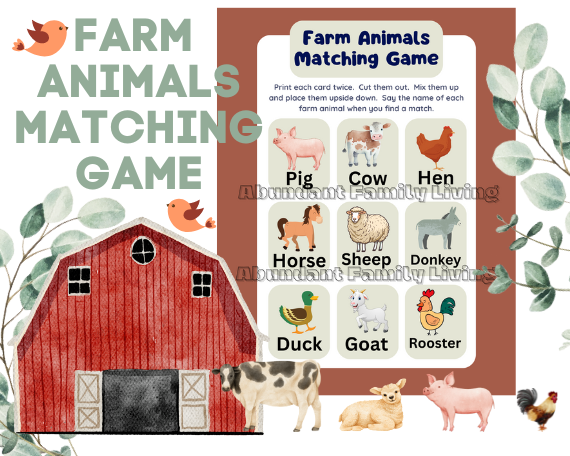
    Farm Animals Matching Game Plus 25 More Activities for Building a Farm Animals Unit

    I've worked with a lot of kids and I've never met a child who doesn't love farm animals.  Kids love farm animal sounds, animal moves, and all the feels of farm animal skins and furs.  A farm animal unit is bound to get your kids up and exercising those large and small motor skills, singing farm animal songs, and loving all the fun of farm animal games.  Oh, and they will love the farm animal snacks too!  First, let's take a look at the newest item in the shop, Farm Animals Matching Game.

    Farm Animals Matching Game

    There are several benefits of memory matching games for kids.  Memory matching games help improve concentration.  They help children learn to pay more attention to details.  Memory matching games help improve short term memory, focus, and improve vocabulary.  Memory matching games don't usually take a long time to complete so they are great for times when you want to do something constructive with the kids but you don't have a lot of time.  Kids who need to build self confidence are less likely to become frustrated with a game when they can complete it in a shorter amount of time.

    How about starting off your farm animal fun with a farm animals matching game?
    Farm Animals Matching Game, Image
    Farm Animals Memory Matching Game

    This memory matching game is perfect for the farm animal loving little learner in your life.  After downloading your copy of the farm animals matching game, print out 2 copies on card-stock paper.  Cut out the cards.  You can laminate them for durability.  Place the cards face down on a table or the floor to play a memory matching game.  

    In addition to improving memory and concentration skills, your child will learn to recognize farm animal words (pig, cow, hen, horse, sheep, donkey, duck, goat, and rooster).  This game is a great addition to your farm animal study in your homeschool environment or as a supplemental resource in addition to your child's public school curriculum . . . or just for fun!

    More Farm Animal Activities to Help You Build a Farm Animal Unit

    Circle Time Activities

    Farm Preschool Circle Time (Busy Hands and Minds)

    Little Pig (Flannel Board Fun)

    Gross Motor Farm Game (Modern Preschool)

    9 Books and Circle Time Activities for 2 and 3 Year Olds (No Time for Flashcards)

    Farm Books for Little Learners (PocketOfPreschool)

    Farm Songs

    I Went to Visit a Farm One Day (Let's Play Music)

    To the Farm (Enchanting Little Minds)

    Farm Songs for Kids (Pre-K Pages)

    Farm Songs (Preschool Inspirations)

    Farm Songs for Kids (Prekinders)

    Farm Books

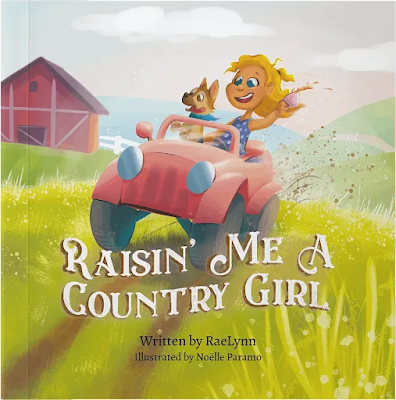
    Raisin' Me a Country Girl by Raelynn Davis

    Raisin' Me a Country Girl by Raelynn Davis
    Raisin' Me a Country Girl by Raelynn Davis

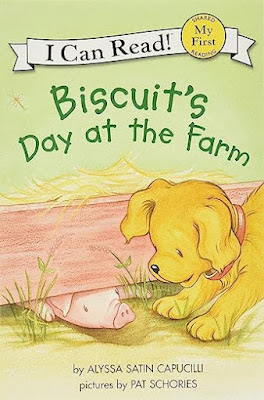
    Biscuits Day at the Farm

    Biscuits Day at the Farm, Book
    Biscuits Day at the Farm

    Cows Can Moo! Can You?

    Cows Can Moo Can! You?, Image, Book
    Cows Can Moo! Can You?

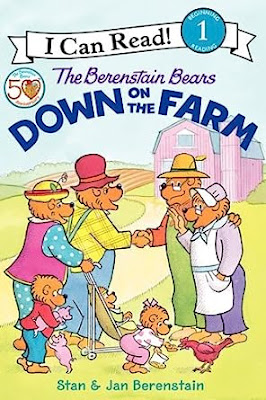
    The Berenstain Bears Down on the Farm

    The Berenstain Bears Down on the Farm, Book, Image
    The Berenstain Bears Down on the Farm

    Moo Moo Peekaboo - Chunky Lift the Flap Board Book

    Moo Moo Peekaboo Chunky Lift the Flap Board Book, Image
    Moo Moo Peekaboo Chunky Lift the Flap Boardbook

    Farm Games

    Printable Farm Bingo Card Set (WondermomWannabe)

    Pulling Tractor Party - Part 4:  Games (Not Your Normal Steam)

    Farm Animal Ring Toss Game (Craftulate)

    Fun Games for Kids Series:  How to Play Duck Duck Goose (Childhood 101)

    Farm Math Games Perfect for Preschoolers (Fun A Day)

    Farm Snacks

    Haystacks Snack for Kids:  Farm Themed and Kid Made (Views from a Step Stool)

    Barnyard Bagels (Party Pinching)

    Farm Animal Snacks (HomeschoolPreschool)

    Graham Cracker Barn (Hungry Happenings)

    Cheerios Sheep Snacks (Everyday Dishes)

    You Might Also Like

    Dolch Sight Words Flashcards for Pre-K

    Dolch Sight Words Flashcards for Pre-K Image
    Dolch Sight Words Flashcards for Pre-K

    PIN ME!

    Farm Animals Matching Game, Image, Pinterest
    Farm Animals Memory Matching Game - PIN ME!

    May you live life abundantly,
    Tina

    Thursday, September 17, 2020

    Learning from Home with Usborne - Preschool

    *Update:  Since the time of this post, Usborne has rebranded.  They are now Paperpie.  I no longer sell Usborne books so all the links have been changed to my Amazon affiliate links.  This means that any purchases you make on this page will result in a small commission for me at no additional cost to you.  See my full disclosure here.

    Many families across the country (and perhaps the world) are suddenly educating their children at home.  If you are one of these families, Usborne is here to help.  They have just added a new category called Learning from Home.  Under the umbrella of Learning from Home, you'll find a wealth of resources to help you through this journey with your kids.  As a former public school teacher, private school teacher, and a homeschool mom, my best advice for you right now is to allow yourself and your children lots of grace during these uncertain times.  Someone recently and wisely said that Home-Schooling and Crisis-Schooling are not the same thing.  You will be OK.  Your kids will be OK.  You are not going to mess this up for them.  The most important things your kids need right now are their parents loving arms, age appropriate answers to their questions, a firm foundation of faith, and a good book to read with you.  If they have these things, then the other things will eventually fall into place.

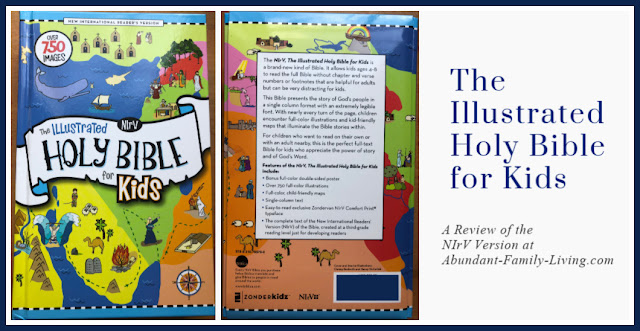
    As far as books go, I've got you covered.  Of course the first book I recommend for you and your kids is the Bible.  All answers to all things are found in the Bible.  If your kids are old enough for a real complete Bible, I recommend The Illustrated Holy Bible for Kids

    Learning from Home
    The Illustrated Holy Bible for Kids

    The Illustrated Holy Bible for Kids is a full Bible for children.  It's not a merely a children's book containing a few summaries of a few popular Bible stories.  According to Zondervan, it is written at the 3rd grade level but is recommended for children between 4 and 8 years old.  It is written in the new NIrV version which is a variation of the NIV version for adults.  The text is simplified from the NIV version to make it easier for children to read and understand on their own.  You can read my full review of this Bible here.

    If your children are younger and not quiet ready for a full version of the Bible, a good Bible story book will help you begin to instill within your child a foundation of faith that will see him or her through life's many challenges.  They are never too early to learn who God is and the reason we all need Jesus.  We enjoyed Baby's First Bible - A Carry-Along Treasury by Tommy Nelson.  You can read more about that Baby's First Bible here.

    Learning at Home with Usborne - Preschool
    Learning from Home with Usborne - Preschool

    Now we can consider other books to add to your child's learning from home library.  The following books are recommended for children at the preschool level.

    Learning from Home - Preschool

    123 Counting

    123 Counting

    Gently introduce numbers with 1 2 3 Counting, a fold-out, stand-up book, perfect for tummy time!

    Series: First Focus Frieze
    First Focus Frieze titles for babies are filled with panels of recognizable, high-contrast black and white images and patterns to aid visual development in the early stages. Gently introduce your babies to numbers and first words with these fold-out, stand-up books, perfect for tummy time!

    Alfie and Bet's ABC

    Alfie and Bet's ABC
     
    Alfie and Bet are off on a quest to discover the letter they like the best … but they just can’t seem to agree!

    With colorful characters, pop-ups on every page, a repeating panel with both upper and lowercase letters throughout and tons of alliterative enthusiasm, Maddie Frost’s Alfie and Bet's ABC is a pop-up alphabet adventure readers won’t soon forget! (And they’ll learn their letters, too!) 

     
    Join Dotty and Dash as they race through the pages, discovering numbers galore in this colorful pop-up extravaganza!


    Illustrated by Greek illustrator Sophia Toulliatou (Big Book of Colors), this book takes readers on a colorful whirlwind tour through the world of numbers, from one full moon to a hundred twinkling stars. There are number patterns, picture puzzles, and lots of extra things to spot along the way. A double gatefold at the end opens to reveal an impressive array of 100 stars.

     I Can Do It


    There are five different fastenings to practice, together with step-by-step illustrated instructions, in this fabulous book designed to teach children how to tie their shoelaces, button their clothes, and more.

    I Want to Be an Astronaut


    What do you want to be when you grow up? These oversized board books for our littlest learners perfectly illustrate that the possibilities are endless!

    What do you want to be when you grow up? A deep-sea diver? A stuntman? An astronaut? When you grow up, you can be anything you want to be!

    Series: I Want to be…
    What do you want to be when you grow up? A dog walker? A deep-sea diver? A stuntman? An astronaut? A vet? A lion tamer? When you grow up, you can be anything you want to be!

    Why Do Tigers Have Stripes?

    Lift the Flap First Questions and Answers


    A playful, informative look at why animals (and a few plants) are the way they are and do what they do, broken into 5 topics - camouflage, food storage, protection, movement, construction - plus a general spread. Quirky scenes, simple text, and friendly flaps answer lots of pressing questions.

    Series: Lift-the-Flap First Questions and Answers
    These stylish, highly illustrated, interactive books are perfect for sharing with young children, and they introduce science concepts using a friendly lift-the-flap format.

    Learning from Home with Usborne - Lift the Flap Numbers
    Lift the Flap Numbers

    With over 90 flaps to lift, this charming book helps children learn about numbers in a fun way. There are counting, matching, ordering, sequencing and adding activities, and lots for pre-readers to talk about too.

    Series: Lift-the-Flap Series
    Each page has an illustrated scene full of things to spot and talk about, even for pre-readers.

    Learning from Home with Usborne - Little Children's Drawing Book
    Learning at Home with Usborne - Little Children's Drawing Book

    Introduce little ones to drawing and pen control with this charming activity book. Children can learn how to draw squiggles, wiggles, spots, stripes, curly lines, straight lines, and lots more, with the help of the friendly animal characters throughout the book.

    Series: Little Children's Art Books

    Little Lift and Look Under the Sea
    Follow a little turtle as it explores a coral reef and discover all kinds of sweet creatures that live under the sea. Meet a sleepy shark, a big octopus, some colorful seahorses, and much more.

    Series: Little Lift and Look Board Books
    This series is perfect for younger children and babies, with chunky gate-fold flaps and peek -throughs for little hands to discover. 
     
    Learning at Home with Usborne - Little Stickers Jungle
    Learning at Home with Usborne - Little Stickers Jungle

    Add stickers to bring the rainforest scenes to life. Fill the branches with bright bugs, brilliant birds, swinging monkeys, and lazing tigers, while leopards prowl, elephants parade, and crocodiles lurk in the undergrowth, pools, and creeks below. This book is ideal for keeping children entertained on weekends, on journeys, or during summer vacation.

    Series: Little Sticker Books
    Add a little bit of fun to each scene with lots of reusable stickers. You can create your own scenes again
    and again in these charming sticker books! 
     
    Nibbles Numbers - Preschool
    Nibbles:  Numbers - Preschool

    Look out! Nibbles the book monster has munched his way through this book of numbers! Count along with him as he chomps his way from one to ten… but wherever will he go next? 

    Wind Up Plane Book
    Wind-Up Plane Book
    Wind up the plane and watch it whiz around the tracks in this delightful interactive book.

    Series: Wind-Up Books
    Read the stories, then wind up the vehicle and watch it whiz around the different tracks. 
     
    WARNING - CHOKING HAZARD:  This book contains small parts.  It is not recommended for children under the age of three years.   
     
    PIN ME!
    Learning at Home with Usborne - Preschool - Pinterest
    Learning from Home with Usborne

    Friday, April 10, 2020

    The Easter Story (Retold by Russell Punter)

    The Easter Story (Retold by Russell Punter)
    The Easter Story as Retold by Russell Punter
    I realize I'm late to get this review up but this COVID19 shelter-at-home order has me as busy as ever.  I think it's because all four of us are here all the time.  Everyone is chipping in and helping to take care of regular household chores but even though we are all adults here, it just seems like I'm still busy.  I guess the old saying is correct that a mother's work is never done.  As long as I have my husband and adult children around, quality time with them takes top priority and always will.  Today, we did something we've never done before.  We took part in a Good Friday Communion here at home.  This is something we usually do at church, but today we watched our pastor lead us in communion via video.  We are usually served unleavened bread and grape juice at church, but today we used regular bread and sparkling grape juice I had delivered to us from our local grocery store.  What we use isn't as important as the remembrance communion Jesus asked us to do.  If you would like to partake in your own communion at your home, you are invited to watch the same video we watched today.  Then, I want to tell you about a wonderful Easter story book for your children.

    You are invited to partake in communion with us here.

    The Easter Story as Retold by Russell Punter


    The Easter story is one that I have read since early childhood.  I can still picture the little Sunday School room where I first learned who Jesus is.  I attend a large baptist church now, but my first memories of what we called Sunday School are from that little room in that little Methodist chapel that meant so much to my daddy's family.  My grandmother was the pianist there and some of my daddy's family sang in the choir.  It wasn't uncommon for me to step into the isle during church and prance my way up to the choir area so that I could sit near my grandmother as she played the piano.

    Memories are precious, but back to the Easter story.  Many of us have been reading the story since childhood but it really isn't always the easiest story to tell to children.  As I sit here on this Good Friday, I'm reflecting back on the reality of what happened to Jesus.  It's a graphic story and one that is hard to explain to children in a way that they will understand and respect it without scaring them or leaving them with pictures in their minds that are too vivid and horrible for them to process at such a young age.  The Easter Story as retold by Russell Punter is a wonderful book that will help children understand the meaning of Jesus' betrayal, death, and resurrection in a child friendly story that they can read over and over again all year long.  Later on, parents or other caregivers can tell them more when they are old enough to understand all the details.

    The Easter Story (Retold by Russell Punter)
    The Easter Story as Retold by Russell Punter

    The Easter Story is illustrated by John Joven.  The cover depicts the day Jesus made his triumphal entry into Jerusalem.  Jesus arrives on a donkey while the people of Jerusalem cheer him on while waving palm branches.

    Jesus enters Jerusalem.
    Jesus' Triumphal Entry Into Jerusalem
    I know The Easter Story is a story about Jesus' betrayal, death, and resurrection, but I wish Punter had told children more about who Jesus is.  He introduces Jesus as a man who lived a long time ago and that Jesus told people about God's kingdom.  Children need to know that Jesus is God's only Son, not just a regular man.

    Jesus shares "the last supper" with His disciples.
    Jesus shares The Last Supper with His disciples.
    The story tells children about what we have come to know as "The Last Supper."  Punter tells them that Jesus shared a meal with His friends and that Jesus asked them to remember Him. 

    The Soldiers Come to Take Jesus Away
    The Soldiers take Jesus away. / Jesus caries His cross.
    Jesus' betrayal, scourging, and crucifixion are parts of the Easter story that can be troubling and even horrifying for some children.  Punter tells this part of the story in the most child friendly way possible.  Very young children don't need to know the most difficult and brutal details just yet.  They need to know what happened.  They need to know the reason Jesus suffered for you and for them.  The more brutal details can wait until they are old enough to handle them.

    The stone is rolled away.
    The stone is rolled away.
    Now we get to the good part.  Children will read that Jesus' body was sealed into a tomb with a big stone.  Then comes Sunday!  The stone has been rolled away and Jesus' body is gone. 

    Jesus lives!
    Jesus lives forever!
    The last page of the book tells children that Jesus is alive and He appeared to His friends several times before He rose up to Heaven.  The story tells children that Jesus will live forever.  I wish the story went on for one more page to tell children that this means they can live forever in Heaven with Jesus too.  This would lay a foundation for understanding salvation.

    Although I feel like this book left out a few meaningful parts of the story, I do think it is a good Easter book that children will love.  Parents can fill in more details as the child grows in understanding and maturity.  

    Of course, the actual Bible is the best source for children's Bible stories.  My first Bible was a full King James version of the Bible spanning from Genesis to Revelation.  I was so young when my parents gave it to me but I loved it.  I understood it because my parents took me to church when I was only days old.  I'm 50 years old now and I've rarely missed church (until now under shelter-in-place orders).  My parents did more than just take me to church.  They spent a lot of time reading the Bible with me.  We talked about the stories.  My parents and grandparents always discussed the Bible with me at age appropriate levels so that I grew into the deeper stories as I grew older.  I don't recall ever owning a shortened children's version of the Bible but I did have a Bible story book.  Now, there are so many options for young children.  It's OK if you want to start your younger children off with a children's version of the Bible, but they need to grow into a full version as soon as they can. 

    Of course, stand alone Bible stories like this Easter Story are perfect for daytime story times, bed times, or to carry along for car rides, etc.  Any time you can help your child soak in stories from the Bible and absorb their meanings is important for building a foundation for application of Biblical principals to their own lives.  

    I think your children will enjoy this story for many years to come.  Usborne books are well made.  As long as they aren't abused, they should last a very long time.  Maybe your child can someday pass the book along to his or her child.

    The Easter Story as Retold by Russell Punter


    PIN ME!
    The Easter Story Book for Kids
    The Easter Story

    You might be interested in this FREE Easter mini lesson.