Showing posts with label Learning from Home. Show all posts

Thursday, September 17, 2026

12 Christian Fall Activities for Kids: Pumpkin Bible Lessons, Gratitude, & Harvest Fun

Two children examine a fall leaf and collect pinecones beside an open Bible, pumpkin, gratitude jar, and leaf craft during Christian fall activities.
12 Christian Fall Activities for Kids: Bible Lessons, Gratitude & Harvest Fun

12 Christian Fall Activities for Kids: Pumpkin Bible Lessons, Gratitude, & Harvest Fun

Fall is a wonderful season for slowing down, enjoying God’s creation, and helping children notice the many blessings around them. Pumpkins fill the fields, leaves change color, families gather for fall festivals, and the cooler weather gives us plenty of opportunities to bring learning and faith together.

For Christian families, homeschoolers, Sunday school teachers, and children’s ministry leaders, autumn can also be a meaningful time to teach children about gratitude, God’s provision, the changing seasons, and what it means to shine His light.

These Christian fall activities for kids combine Bible learning, pumpkins, harvest themes, gratitude, academics, and simple hands-on fun. They can be used at home, in a homeschool classroom, during Sunday school, at a church fall festival, or as part of an October learning unit.

And because not every Christian family approaches Halloween in the same way, most of these activities focus on fall, pumpkins, harvest, Scripture, and gratitude rather than spooky themes.

Here are 12 Christian fall activities to enjoy with your children this season.

1. Teach a “Shine Your Light” Pumpkin Bible Lesson

Pumpkins provide an easy visual for talking with children about light.

Begin by reading Matthew 5:14–16 together. Talk about what Jesus meant when He told His followers to be a light to the world.

Ask children questions such as:

  • What does it mean to shine God’s light?
  • How can we show kindness to someone today?
  • What can we do when someone feels lonely?
  • How can our words show the love of Jesus?
  • What is one way we can serve someone this week?

If you have a pumpkin, place a battery-operated candle or small light inside and dim the room.

Explain that a light is especially noticeable when the area around it is dark. In the same way, kindness, honesty, encouragement, compassion, and love can stand out when the world around us feels difficult.

Children can finish the lesson by writing or drawing one way they will “shine His light” during the coming week.

If you would like to continue building Scripture into your child’s day, these Bible verses for kids to memorize offer several simple places to begin.

2. Learn About the Pumpkin Life Cycle

A pumpkin-themed science lesson fits naturally into fall learning.

Teach children the basic stages of the pumpkin life cycle:

Seed → Sprout → Vine → Flower → Green Pumpkin → Ripe Pumpkin

Younger children can draw each stage or arrange picture cards in the correct order.

Older elementary students can write one or two sentences explaining what happens during each stage.

You can also connect the lesson to a larger discussion about God's creation.

Ask:

  • What does a seed need in order to grow?
  • Why are sunlight and water important?
  • What role do bees and other pollinators play?
  • How does a tiny seed eventually become a large pumpkin?

If possible, cut open a real pumpkin afterward and examine the seeds, pulp, skin, and stem.

This simple activity combines Christian fall learning, science, sequencing, and hands-on exploration.

For additional research-based information about planting, flowering, and growing pumpkins, see Utah State University Extension’s guide to growing pumpkins.

3. Start a Fall Gratitude Journal

Thanksgiving may still be several weeks away, but gratitude doesn't need to wait until November.

Create a simple fall gratitude journal and encourage children to write or draw something they are thankful for each day.

Younger children might draw pictures.

Older children can complete prompts such as:

  • Today I am thankful for...
  • One person God has placed in my life is...
  • Something beautiful I noticed outside today was...
  • One blessing I sometimes forget to appreciate is...
  • Something my family does for me that I am thankful for is...
  • One way I can show someone else I appreciate them is...

You can also read 1 Thessalonians 5:18 and discuss what it means to develop a thankful heart.

At the end of the week, let each child choose one entry to share with the family.

A gratitude journal is a simple Christian fall activity that can continue throughout October and November.

4. Go on a God’s Creation Fall Scavenger Hunt

Take your learning outside with a fall nature scavenger hunt.

Give children a list of autumn items to find, such as:

  • A red leaf
  • A yellow leaf
  • An acorn
  • A pinecone
  • A bird
  • A smooth rock
  • A rough piece of bark
  • Something green
  • Something God created that smells good
  • Something tiny
  • Something larger than your hand
  • Something that has changed because of the season

Children can check off each item as they find it.

While walking, encourage them to slow down and notice details they might normally miss.

Talk about the tremendous variety found in God's creation. Leaves alone can differ in shape, size, color, texture, and pattern.

When you return home or back to your classroom, children can draw their favorite discovery and write a sentence about why they chose it.

This activity works especially well for Christian homeschool families, elementary science lessons, church groups, and family nature walks.

5. Practice Math With Pumpkins

Pumpkin-themed math makes ordinary practice feel more seasonal.

Use small pumpkins, pumpkin erasers, counters, printed pumpkin pictures, or even pumpkin seeds for math activities.

Depending on your child's age, practice:

  • Counting
  • Number recognition
  • Addition
  • Subtraction
  • Multiplication
  • Division
  • Skip counting
  • Greater than and less than
  • Patterns
  • Estimation

You could place 24 pumpkin seeds on the table and ask:

“If four children share these seeds equally, how many will each child receive?”

Or ask children to estimate how many seeds are inside a pumpkin before opening it.

After counting the seeds, compare the estimate with the actual number.

For younger children, create simple patterns such as:

pumpkin – leaf – pumpkin – leaf

Then ask them what should come next.

Seasonal learning does not have to be complicated. Sometimes changing the pictures or manipulatives is enough to make familiar skills feel new again.

6. Make a Christian Fall Word Search

A Christian fall word search is an easy quiet-time activity for home, Sunday school, or a church fall festival.

Include words such as:

AUTUMN
BIBLE
BLESSING
FAITH
FAMILY
GRATEFUL
HARVEST
JESUS
KINDNESS
LEAVES
LIGHT
PRAISE
PUMPKIN
THANKFUL

After children find the words, ask them to choose three and use each one in a sentence.

Older children could choose five words and write a short paragraph about fall, faith, or gratitude.

This turns a simple word search into spelling, vocabulary, handwriting, and writing practice.

Want several of these faith-filled fall activities already prepared for you? The Shine His Light: Christian Fall Activity Pack for Kids includes 15 printable Bible, reading, math, pumpkin science, gratitude, kindness, maze, scavenger hunt, and coloring activities.

Children sort pumpkin seeds and make a leaf rubbing beside an open Bible, gratitude jar, magnifying glass, and nature basket for Christian fall activities.
Christian Fall Activities for Kids: Bible, Pumpkin, Gratitude and Nature Fun

7. Create a “Ways I Can Shine God’s Light” Craft

Give each child a large paper pumpkin, lantern, leaf, or sun.

Write:

Ways I Can Shine God’s Light

across the top.

Then have children write different actions around the picture.

Ideas might include:

  • Help someone.
  • Tell the truth.
  • Encourage a friend.
  • Invite someone to play.
  • Pray for someone.
  • Help my parents.
  • Share with my sibling.
  • Be kind when someone is having a bad day.
  • Forgive someone.
  • Thank a teacher.
  • Give to someone in need.

Display the finished crafts somewhere children will see them often.

This activity helps move the lesson beyond simply knowing a Bible verse. Children begin thinking about how biblical principles affect everyday choices.

8. Read a Fall-Themed Bible Passage and Practice Reading Comprehension

Bible reading can also become part of your language arts lesson.

Choose an age-appropriate passage dealing with themes such as creation, harvest, thanksgiving, generosity, or God's provision.

Possible passages include:

  • Psalm 104
  • Psalm 107
  • Matthew 6:25–34
  • Matthew 9:37–38
  • Luke 12:22–31
  • 2 Corinthians 9:6–11

After reading, ask comprehension questions.

For example:

Who is speaking?

What happened in the passage?

What does the passage teach us about God?

What is one important lesson from the passage?

How can we apply this lesson to our lives?

Older elementary students can answer in complete sentences, while younger children can discuss the questions aloud.

This is an easy way to combine Bible study and reading comprehension in a Christian homeschool or classroom setting.

9. Make a Gratitude Pumpkin

A gratitude pumpkin can become a family tradition throughout the fall season.

Place a pumpkin in the center of your table.

Each day, have family members name something they are thankful for. Using a permanent marker, an adult can write each response directly onto the pumpkin.

Over time, the pumpkin becomes covered with blessings.

Possible responses might include:

Grandparents
Food
Our church
Friends
A warm home
Teachers
Pets
Books
Family dinners
Answered prayers
Nature
Good health
Laughter

Keep adding to the pumpkin throughout October and November.

By Thanksgiving, you'll have a visual reminder of God's provision and the many ordinary blessings your family experienced during the season.

If you plan to carry this fall learning theme into November, you may also enjoy my guide to teaching Thanksgiving history to kids.

10. Play a Harvest Bible Verse Matching Game

Create cards with Bible references on one set and simplified themes or descriptions on the other.

Children match each Bible verse with the appropriate idea.

For example:

Matthew 5:16 — Shine your light.

1 Thessalonians 5:18 — Give thanks.

Galatians 6:9 — Do not grow tired of doing good.

Psalm 118:24 — Rejoice in the day God has made.

James 1:17 — Good gifts come from God.

For younger children, use pictures along with the words.

For older children, let them look up each Bible verse themselves before making the match.

You could also hide the cards around the room and turn the activity into a Bible verse scavenger hunt.

This works especially well for Sunday school, Christian classrooms, homeschool groups, and church fall festivals.

11. Write About a Perfect Fall Day

Fall provides plenty of inspiration for creative writing.

Ask children to imagine their perfect autumn day.

They might include:

  • A trip to a pumpkin patch
  • Jumping in leaves
  • Baking something with their family
  • Going on a hayride
  • Visiting a farm
  • Attending a church fall festival
  • Taking a nature walk
  • Sitting around a campfire
  • Helping someone in their community

Use the writing prompt:

If I Could Plan the Perfect Fall Day...

Younger children can draw a picture and write three sentences.

Older elementary students can write a complete paragraph or short story with a beginning, middle, and ending.

Encourage children to use descriptive fall words involving the senses.

What would they see, hear, smell, taste, and feel?

This simple activity practices creative writing, organization, vocabulary, and descriptive language while keeping the lesson seasonal.

12. Have a Family Fall Service Day

One of the most meaningful Christian fall activities doesn't require a worksheet at all.

Choose one way your family can serve someone else.

You might:

  • Rake leaves for an elderly neighbor.
  • Donate food to a local pantry.
  • Make cards for nursing home residents.
  • Prepare a meal for someone going through a difficult season.
  • Donate gently used coats or blankets.
  • Collect supplies for a ministry.
  • Bake treats for a neighbor.
  • Write thank-you notes to teachers or church volunteers.
  • Put together care packages.
  • Invite someone who may be lonely to spend time with your family.

Before beginning, talk about why Christians serve others.

Explain that service isn't something we do simply to receive praise or recognition. It is an opportunity to demonstrate love through our actions.

Afterward, ask your children how serving someone else made them feel and what they learned from the experience.

More Christian Fall Activity Ideas

You don't need an elaborate lesson plan to make faith part of your fall learning.

Other simple Christian fall activities for kids might include:

  • Decorating Scripture verse bookmarks with fall leaves
  • Painting pumpkins with encouraging words
  • Writing prayers of thanksgiving
  • Making fall cards for grandparents
  • Baking pumpkin bread for a neighbor
  • Creating leaf rubbings while discussing God's creation
  • Sorting and graphing different kinds of leaves
  • Memorizing a Bible verse about gratitude
  • Making a fall prayer chain
  • Reading Christian children's books about kindness or gratitude
  • Hosting a family praise night around a backyard fire
  • Creating Scripture cards with autumn illustrations

The goal isn't to make every fall activity complicated or deeply academic.

Sometimes the most meaningful conversations happen during ordinary family moments.

Christian Fall Activities for Families Who Don't Celebrate Halloween

Christian families make different choices regarding Halloween.

Some families participate in traditional Halloween activities. Others attend church fall festivals or trunk-or-treat events. Some prefer to avoid Halloween altogether and focus instead on autumn, harvest, gratitude, and God's creation.

The activities in this post can easily be adapted to whichever approach your family chooses.

Pumpkins don't have to be spooky.

A fall scavenger hunt doesn't require Halloween.

A gratitude activity can be used throughout September, October, and November.

And lessons about kindness, Scripture, creation, service, and shining God's light are appropriate throughout the year.

Choose the activities that best fit your family's convictions and traditions.

Make Fall Learning Meaningful

Fall offers far more than pumpkins and colorful leaves.

It gives parents and teachers natural opportunities to talk with children about God's creation, gratitude, kindness, generosity, service, and faith.

A pumpkin can lead to a science lesson.

A changing leaf can lead to a conversation about creation.

A harvest theme can introduce gratitude.

A simple light inside a pumpkin can begin a discussion about what it means to shine God's light in the world.

And ordinary fall activities can become memories children carry with them long after the season ends.

Whether you're planning an October homeschool unit, preparing a Sunday school lesson, searching for Christian fall festival activities, or simply looking for meaningful things to do together as a family, I hope these ideas help you enjoy a season filled with learning, gratitude, and faith.

For another October lesson that combines history, geography, faith, and critical thinking, read Why We Should Teach Kids About Columbus Day.

Which Christian fall activity will your family try first?

Choose one simple idea and enjoy it together this week.

Get the Printable Christian Fall Activity Pack

Make planning easier with the Shine His Light: Christian Fall Activity Pack for Kids, a ready-to-print collection created for Christian families, homeschoolers, Sunday school teachers, and children’s ministry leaders.

PIN THIS POST!

Two children explore pumpkin seeds and make a leaf craft beside an open Bible and gratitude jar for Christian fall activities for kids.
12 Christian Fall Activities for Kids: Pumpkin Bible Lessons, Gratitude & Harvest Fun

Sunday, August 23, 2026

5-Minute Phonics: Easy Kindergarten Reading Activities

A smiling young girl at a learning table holds up a card with the letter 'S' as part of a '5-Minute Phonics' lesson. Text overlays describe 'Kindergarten Reading Activities That Work!' and 'Easy, Hands-On Ideas for Busy Parents' based on the 'Science of Reading' framework. The Abundant Family Living (AFL) logo is visible in the corner.
5-Minute Phonics: Easy Kindergarten Reading Activities That Work for Busy Parents

5-Minute Phonics: Easy Kindergarten Reading Activities


If you’ve been looking into how to help your kindergartener learn to read, you’ve probably heard the phrase "The Science of Reading." It’s a major buzzword right now, and for good reason! Research supports explicit, systematic instruction in phonological awareness and phonics as an important foundation for early reading. In fact, you might be interested in research-based kindergarten reading activities from the Florida Center for Reading Research.

But as a parent, hearing about "structured literacy" can feel overwhelming. The good news? You don’t need long, frustrating study sessions to apply these concepts at home.

Five minutes of focused practice can be a manageable way to reinforce phonics skills at home, especially when it supplements regular reading and systematic instruction. Here are three simple, hands-on phonics activities you can do today.

5-Minute Phonics printable pack for kindergarten with beginning sounds and CVC word worksheets for quick reading practice.
Get your free 5-minute phonics mini pack here.


1. The Sticky-Note Sound Map

The Science of Reading emphasizes letter-sound correspondence. Instead of memorizing flashcards, let’s make it interactive!
  • The Setup: Grab a stack of sticky notes and write a single letter on each one (start with letters they are currently learning, like S, M, A, T)
  • The Activity: Have your child walk around the room and stick the letter on an object that starts with that sound. The S goes on the sofa; the M goes on the mirror.
  • Why it Works: It gets them moving and connects abstract letters to real-world objects they already know.

2. One-Skill Phonics Printables

Worksheets can be a fantastic tool, but there is a catch: they must be designed correctly. Many educational workbooks are cluttered with cartoons, multiple sets of instructions, and distracting borders, causing visual overwhelm for some young learners. If your child seems overwhelmed by too many graphics cluttering the page, here are a few great suggestions.
  • The Setup: Choose clean, simple printables that focus on one single skill per page (like isolating the beginning sound of a word).
  • The Activity: Set a 5-minute timer. Have your child complete just one targeted page.
  • Why it Works: Stripping away the visual clutter helps kindergarteners focus entirely on the phonetic concept.
When we strip away the busy borders and distracting cartoons, early readers can finally focus on the actual letters. If you want to skip the prep work and dive straight into this method, I’ve put together a 5-Minute Phonics Bundle. It features 10 ready-to-print pages that use only realistic imagery and focus on a single skill per page, completely eliminating visual overwhelm.


Young girl in a blue t-shirt practices phonics and letter-sound recognition with an 'S' card and toy snake. This is a practical example of a kindergarten reading activity for home learning, focusing on simple, quick methods for busy parents.
Effective Phonics Activities for Home Learning: Boost Kindergarten Reading Skills in 5 Minutes.

3. The "Erase and Replace" Word Swap

Once your child knows a few letter sounds, you can introduce encoding (spelling) and decoding (reading).
  • The Setup: Write a simple three-letter word on a whiteboard, like CAT.
  • The Activity: Ask your child to erase the C and replace it with an M. What does the word say now? (MAT). Now erase the T and replace it with a P. (MAP).
  • Why it Works: This practices sound substitution, phonics, decoding, and word building.—the understanding that words are made of individual sounds that can be manipulated.

Keep It Short and Sweet

When it comes to early childhood education, consistency beats duration every time. You don't need a perfectly Pinterest-worthy classroom setup. Five minutes of focused, one-skill practice is all it takes to build a confident reader.


What is your favorite 5-minute learning game? Let me know in the comments below!

Pin this post!

A happy girl at a learning desk demonstrates a 5-minute phonics game, connecting the letter 'S' to a snake. The photo supports kindergarten reading activities based on the Science of Reading. (Abundant Family Living AFL logo included).
5-Minute Phonics: Easy Kindergarten Reading Activities for Busy Parents

Friday, October 24, 2025

Fun and Learning with Our Pumpkin Themed Learning Pack

Fun and Learning with Our Pumpkin Themed Learning Pack

Fun and Learning with Our Pumpkin Themed Learning Pack

Fall is one of the best times of the year for hands-on learning! The changing colors, cooler weather, and fun seasonal themes make it easy to capture your child’s attention. If you’re looking for a fun and educational way to celebrate the season, this Pumpkin Themed Learning Pack is a perfect addition to your fall lesson plans.

This printable pack combines math, counting, patterns, and fine motor skill practice into one engaging set of activities designed especially for preschool and kindergarten learners.

🍁 Learning Through Play

Young children learn best when they can touch, see, and do. The Pumpkin Themed Learning Pack provides opportunities for early learners to build foundational skills while enjoying interactive, hands-on fun. Each page was created with both education and creativity in mind.

  • Pumpkin Math Worksheets: These pages help children practice addition using adorable pumpkin outlines. Kids will love writing their answers inside the pumpkins while improving number sense.

  • Seed Counting Activity: Your child will count and match pumpkin seeds to the correct numbers—great for developing counting, one-to-one correspondence, and fine motor skills through cutting and gluing.

  • Scissor Skills Page: Strengthen hand muscles and coordination by cutting along dotted lines that lead to smiling pumpkins. This activity supports early writing readiness.

  • Pumpkin Patterns Worksheet: Pattern recognition is an early math skill that prepares children for sequencing and problem-solving. Kids cut and paste pumpkins to complete each pattern.

  • How Many? Counting Page: Count colorful pumpkins and record the number in each box. This activity reinforces observation, color recognition, and counting accuracy.

  • Decorate Your Pumpkin Page: Encourage creativity and self-expression with this open-ended art activity. Kids can use crayons, markers, or colored pencils to design their own pumpkin masterpiece!

Fun and Learning with Our Pumpkin Themed Learning Pack
Fun and Learning with Our Pumpkin Themed Learning Pack - Instagram

✏️ Skills Kids Will Practice

This learning pack helps children develop a variety of early learning skills including:

  • Counting and number recognition

  • Early addition

  • Fine motor development

  • Pattern and color recognition

  • Hand-eye coordination

  • Creative expression

Every worksheet combines fun seasonal graphics with meaningful educational practice.

🍂 Perfect for Home or Classroom

Whether you’re a parent, teacher, or homeschool educator, this printable pack fits perfectly into fall learning themes. Use it for:

  • Math centers

  • Morning work

  • Small group lessons

  • Quiet time activities

  • Homeschool units

  • Fall festivals or pumpkin week

All pages are easy to print, use immediately, and come with answer keys for quick checking.

🧡 A Fun Way to Celebrate Fall

Kids will love the cheerful pumpkins, and you’ll love knowing they’re practicing important academic and developmental skills. Learning feels more like play when activities are this engaging!

You can download the Pumpkin Themed Learning Pack below and start using it today to make fall learning fun, festive, and educational.

🌻 More Fall Learning Ideas

Looking for more fall-themed educational fun? Try adding:

  • Nature scavenger hunts during outdoor playtime

  • Pumpkin science experiments

  • Leaf rubbing art projects

  • Bible lessons about gratitude and harvest

Each of these activities helps children connect the beauty of God’s creation with everyday learning experiences.

Here's more pumpkin fun from Abundant Family Living:

Pumpkin Crafts and Activities for Kids

The Biggest Pumpkin Every by Steven Kroll

Parkside Cabin Rentals - Gatlinburg, Tennessee

Here are more pumpkin activities from around the web:

20 Pumpkin Activities for the Classroom This Fall from Teaching Special Thinkers

15 Ways To Learn and Play with Real Pumpkins from Play Teach Repeat

Fun and Learning with Mini Pumpkins from Learning Here and There

🍎 Final Thoughts

Fall is a wonderful time to nurture curiosity and creativity in young learners. The Pumpkin Themed Learning Pack makes it easy to combine play, learning, and faith-filled family moments — all wrapped in the warmth of the season.

Let’s make learning together this fall both joyful and meaningful!

Fun and Learning with Our Pumpkin Themed Learning Pack

Thursday, September 25, 2025

The Benefits of Fall Preschool Learning Activities

The Benefits of Fall Preschool Learning Activities

The Benefits of Fall Preschool Learning Activities

Preschool and kindergarten are exciting stages in a child’s development. This is when children build the foundation for early literacy, math, fine motor skills, and problem-solving abilities. Seasonal learning packets, like a Fall Preschool Learning Packet, provide a fun and engaging way for young learners to strengthen essential skills while enjoying seasonal themes like pumpkins, leaves, and fall animals.  Here are some of the benefits of fall preschool learning activities - key activities included in fall preschool worksheets—and why they matter for your child’s growth and learning.


1. Trace and Color Worksheets

Tracing and coloring strengthen fine motor control, preparing children for writing. As kids follow lines to trace shapes or letters, they practice hand–eye coordination and pencil grip. Coloring adds creativity and helps children learn to stay within boundaries, improving focus and patience.


2. Matching Shadows of Objects

“Find the Shadow” worksheets encourage visual discrimination—the ability to notice differences and similarities in shapes, sizes, and positions. This skill supports early reading (distinguishing letters like b, d, p, q) and problem-solving. Matching shadows also builds critical thinking as children analyze and compare objects.

Shadow Matching Puzzle Games
Shadow Pairing Puzzles for Kids

3. Counting Objects

Counting fall-themed objects, like pumpkins or leaves, introduces children to early math concepts. These worksheets strengthen number recognition, one-to-one correspondence, and the ability to connect quantities to written numerals. Preschool counting practice lays the foundation for addition and subtraction in later grades.


4. Fall I Spy Worksheets

“I Spy” activities boost visual scanning skills and attention to detail. Children search for and count specific fall objects, which builds focus and persistence. These worksheets also reinforce vocabulary development as kids name the objects they find.


5. Tracing Letters, Numbers, and Words

Letter and number tracing worksheets are essential for early literacy and math readiness. Tracing letters helps children recognize the alphabet, practice letter formation, and connect sounds to symbols. Tracing numbers teaches proper number formation and strengthens early math concepts. Word tracing introduces sight words, expanding vocabulary and preparing kids for reading.


6. Scissor Cutting Practice

Scissor skills are often overlooked, but they are critical for preschool development. Cutting along straight, zigzag, or curved lines builds hand strength, bilateral coordination, and precision. These skills transfer to writing, self-care tasks (like buttoning or using utensils), and art activities.

Scissor Skills Preschool Activity Book: Learn to Cut Lines, Shapes, Fruits, Animals | Fun Cutting & Coloring Book for Kids
Scissor Skills for Toddlers and Kids

7. Sorting Objects

Sorting activities promote early classification and categorization skills, which are the building blocks of math and science. Children learn to recognize patterns, group similar items, and understand logical sequences. Sorting also enhances critical thinking and problem-solving abilities.


Why These Skills Matter for Preschool and Kindergarten

By practicing these activities in a seasonal, engaging way, children:

  • Develop fine motor skills essential for writing and daily life.

  • Strengthen early literacy and math readiness.

  • Improve focus, patience, and problem-solving skills.

  • Build confidence as they master new challenges.

With a Fall Preschool Learning Packet, parents, teachers, and homeschool families can provide structured, fun practice that supports learning goals while keeping kids excited about school.


✅ Perfect for Preschool, Pre-K, and Kindergarten learners
🍂 Engaging fall themes to spark interest
📝 Printable, hands-on activities for at-home or classroom use

NOTE:  The preschool learning packet file shown here was accidentally destroyed, but you can check. out other learning packets for preschoolers and kids here.

The Benefits of Fall Preschool Learning Activities
Get your preschool learning packet here.

Pin Me!

The Benefits of Fall Preschool Learning Activities

Wednesday, June 26, 2024

Summer Vacation Word Search Bundle!

Summer Vacation Word Search Bundle
Summer Vacation Word Search Bundle!

Keep Kids Engaged and Learning with Our Summer Vacation Word Search Bundle!

Summer is the perfect time for kids to unwind, have fun, and enjoy the sunny days. But it's also important to keep their minds active and engaged. Our Summer Vacation Word Search Bundle is the ideal solution for combining fun with educational activities. This bundle includes word searches tailored to different grade levels, ensuring that every child can participate and enjoy the challenge.

Kindergarten Word Search

Our Kindergarten Word Search is designed with early readers in mind. This 15-word puzzle includes simple and familiar words such as “Sun,” “Fun,” and “Pool.” These words are perfect for young children who are just starting to explore the world of reading.

Grade 1 Word Search

For first graders, we’ve created a slightly more challenging 15-word puzzle. Words like “Beach,” “Swim,” and “Sand” will keep them engaged while they continue to develop their reading and vocabulary skills.

Grade 2 Word Search

The Grade 2 Word Search introduces more complex vocabulary with words such as “Vacation,” “Picnic,” and “Waves.” This 15-word puzzle is perfect for students who are ready to expand their language skills.

Grade 3 Word Search

Third graders will enjoy our fun and challenging 15-word puzzle that includes words like “Sunshine,” “Butterfly,” and “Camping.” These words help to enhance their vocabulary and problem-solving abilities.

Grade 4 Word Search

Our Grade 4 Word Search is designed for advanced readers. With 15 words including “Adventure,” “Watermelon,” and “Fireworks,” this puzzle offers an engaging challenge that’s perfect for keeping kids interested in learning.

Grade 5 Word Search

The Grade 5 Word Search is a comprehensive 15-word puzzle that includes words like “Exploration,” “Summertime,” and “Hydration.” This puzzle will challenge and entertain older students, helping them to further develop their vocabulary and spelling skills.

✨ Available in Two Versions:

  • Word Searches: 6 Pages
  • Answer Key: 6 Pages
  • Colored Version: Total 12 Pages
  • Black-and-White Version: Total 12 Pages

✍ Key Features:

  • Educational and Fun: Each puzzle is designed to help students practice spelling, improve vocabulary, and enhance problem-solving skills while enjoying a fun summer theme.
  • Multiple Occurrences: To add an extra layer of challenge, some words may appear more than once in each puzzle, keeping students engaged and attentive.
  • Printable and Easy to Use: Print out the word searches and distribute them to your students. Ideal for use in the classroom, during summer camps, or as a fun at-home activity.

✨ Why It’s Awesome:

  • Helps with spelling and learning new words in a fun way.
  • Some words might pop up more than once, making it extra exciting.
  • Easy to print and use anywhere, whether in class, at summer camp, or at home.

✨ Why It’s Great for You:

  • Makes learning fun during the summer break.
  • Perfect for solo or group play, rainy days, or extra learning.
  • There’s a puzzle for every grade level so that everyone can join in the fun!

✍ How to Use:

  1. Print out as many copies as you need.
  2. Hand them out and let the searching begin!
  3. Kids can work alone or with a buddy to find all the words.
  4. Afterward, go over the answers together and talk about the words.

Bring the excitement of summer into your classroom with these engaging and educational word searches. Perfect for keeping young minds active during the summer months while also preparing them for the upcoming school year.

Note: Ensure to guide that some words may appear more than once, adding an extra level of fun and challenge to the activity.

Get your Summer Vacation Word Search Bundle today and watch as kids learn, explore, and have fun all summer long!

PIN ME!

Summer Vacation Word Search Bundle!

You may also like:

10 Educational Summer Activities for Kids to Keep Them Engaged and Learning

Wednesday, May 15, 2024

The Power of Play in Teaching Letters and Numbers During the Preschool Years

The Power of Play in Teaching Letters and Numbers During the Preschool Years

The preschool years are crucial in a child's development, laying the foundation for future academic success. While traditional methods of teaching letters and numbers involve rote memorization and repetitive drills, there's a growing recognition of the effectiveness of integrating play-based learning into early childhood education. Let's explore the benefits of teaching letters and numbers through play during preschool.

The Power of Play in Teaching Letters and Numbers During the Preschool Years


Fostering Engagement and Interest

Play is a natural mode of learning for young children. Infusing educational activities with play elements can help children become more engaged and enthusiastic about learning letters and numbers. Whether through games, puzzles, or interactive toys, play-based learning captures children's attention and makes learning enjoyable.

Stimulating Cognitive Development

Play-based activities designed to teach letters and numbers provide numerous opportunities for cognitive development. Sorting shapes, matching letters, and counting objects reinforce essential academic skills and enhance problem-solving abilities, spatial awareness, and logical thinking. As children manipulate objects and experiment with different strategies, they actively construct their understanding of the world around them.

Encouraging Creativity and Imagination

Play encourages creativity and imagination, allowing children to explore concepts in their own unique ways. Children might invent their own games, create stories, or build structures using blocks when learning letters and numbers through play. This creative freedom makes learning more enjoyable and fosters a deeper connection to the material as children develop a sense of ownership over their learning experiences.

Promoting Social and Emotional Development

Play-based learning environments provide ample opportunities for social interaction and cooperation, essential skills for navigating the world. Whether collaborating on a puzzle, taking turns in a game, or role-playing different scenarios, children learn valuable communication, empathy, and teamwork lessons. Moreover, play's supportive and non-judgmental nature encourages risk-taking and resilience, helping children develop confidence in their abilities.

Integrating Learning Across Domains

Play-based learning naturally integrates various domains of development, offering a holistic approach to early childhood education. Activities that teach letters and numbers often incorporate elements of language, mathematics, science, and fine motor skills. For example, a simple letter recognition game might involve verbal communication, spatial reasoning, and hand-eye coordination, providing a well-rounded learning experience.

Cultivating a Lifelong Love of Learning

Perhaps most importantly, teaching letters and numbers through play sets the stage for a lifelong love of learning. Children develop a positive attitude towards education that carries into later years by instilling a sense of curiosity and wonder early on. When learning is perceived as fun and meaningful, children are more likely to actively seek new knowledge and continue exploring the world around them.

Incorporating play-based learning into early childhood education is beneficial and essential for fostering holistic development in young children. By embracing the power of play in teaching letters and numbers during preschool, educators and parents can create rich and meaningful learning experiences that lay a solid foundation for future academic success. So, let's encourage children to learn, explore, and grow through play, unlocking their full potential one game at a time.

Now that we've explored the power of play in teaching letters and numbers during the preschool years, let's put what we've learned into practice.  Whether in your school classroom or homeschool, set up a couple of centers in your learning environment that includes games and manipulatives for teaching letters and numbers.  You can decorate the walls or bulletin boards surrounding your play centers with posters that encourage learning letters and numbers.  To help you do that, we have just listed an educational poster bundle in our Etsy shop.  The bundle includes 12 leaning posters you can instantly download and then print them out using your home computer and printer.  They are available now.

Educational Poster Bundle
This Educational Poster Bundle is available here.

You may also like:


Music Education and Student Achievement

Now go live life abundantly!
Tina

Before you go, don't forget to pin this post!
The Power of Play in Teaching Letters and Numbers During the Preschool Years


Wednesday, January 12, 2022

Best Wooden Toys for Kids

Best Wooden Toys for Kids
Best Wooden toys for Kids

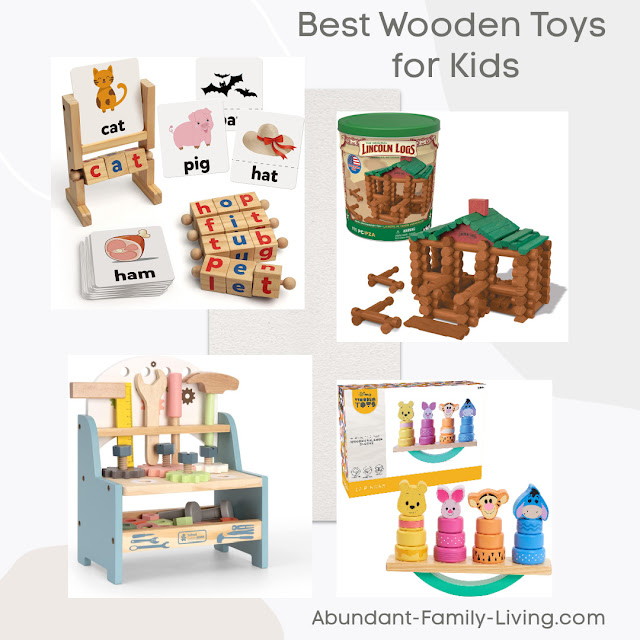
Electronic toys are all the rage from toddlerhood all the way through adulthood.  Adults get the privilege of picking out their own toys - big screen TVs, iPads, computers, cell phones, smart appliances - the list goes on and on.  Children depend on adults to pick out their toys for them.  Parents, you are in charge.  You get to decide what toys your kids do and do not play with.  Choose wisely.  It's OK for kids to have electronic toys, but they need non-electronic toys as well.  In fact, in my opinion, children should have more non-electronic toys than electronic toys.  They certainly should spend more time playing with non-electronic toys.  Playing with non-electronic toys gives kids a chance to exercise their own imaginations and build small motor skills, large motor skills, and even critical thinking skills.  Playing with non-electronic toys allows kids to do STEM and STEAM activities without even realizing it.  With proper age appropriate toys, kids learn while they play.  A good way to build these skills and many more skills is to allow your kids to enjoy wooden toys.  If you think back to your own childhood, especially if you are older like me, you can probably think of your favorite childhood toys.  You are probably remembering a few favorite toys right now which probably includes memories of wooden toys.  If you would like to add wooden toys to your child's toy box or playroom, I've compiled a list of the best wooden toys for kids.

Best Wooden Toys for Kids

Melissa and Doug Wooden Building Blocks Set.  

This set includes 100 blocks in four colors and nine shapes.

Best Wooden Toys for Kids
Melissa and Doug Wooden Building Blocks Set

This item is available here.

Balance Beam Stepping Stones Gymnastics Obstacle Course Balance Boards

Best Wooden Toys for Kids
Balance Beam Stepping Stones Gymnastics Obstacle Course Balance Boards

This item is available here.

Wooden Magnetic Fishing Game

Best Wooden Toys for Kids
Wooden Fishing Game

Wooden Play Food

Best Wooden Toys for Kids
Wooden Play Food

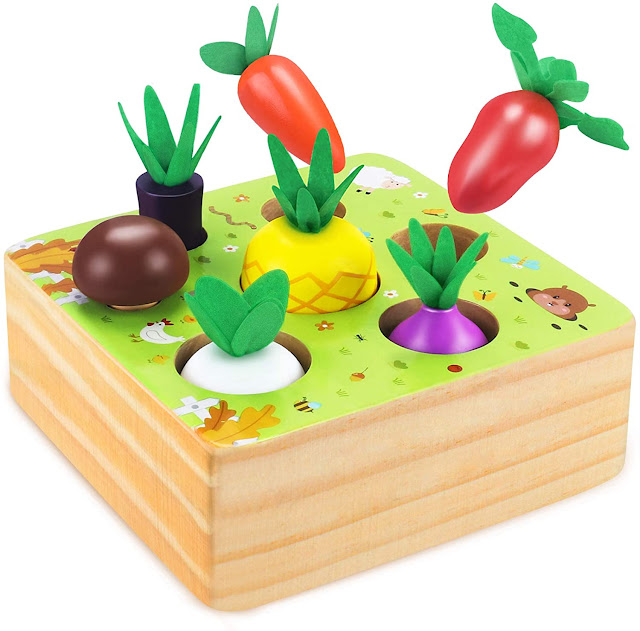
Vegetable Shape Sorter

Best Wooden toys for Kids
Vegetable Shape Sorter

Wooden Reading Blocks

Best Wooden Toys for Kids
Wooden Reading Blocks

This item is available here.

Wooden Bike with Rubberized Wheels

Best Wooden Toys for Kids
Wooden Bike with Rubberized Wheels

Wooden Toddler Puzzles

Best Wooden Toys for Kids
Wooden Toddler Puzzles

Musical Instruments

Best Wooden Toys for Kids
Wooden Musical Instruments

First Pounding Bench with Pegs

Best Wooden Toys for Kids
First Pounding Bench with Pegs

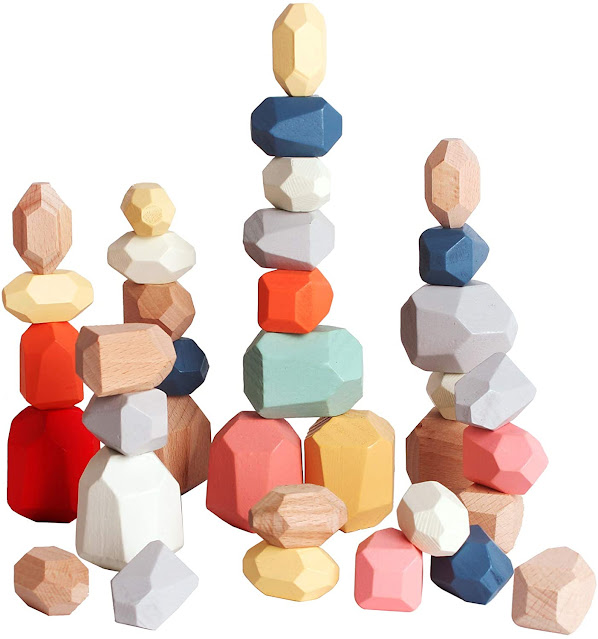
Sorting Stacking Balancing Stones

Best Wooden Toys for Kids
Sorting, Balancing, Stacking Stones

This item is available here.

Play Tool Workbench

Best Wooden Toys for Kids
Play Tool Workbench

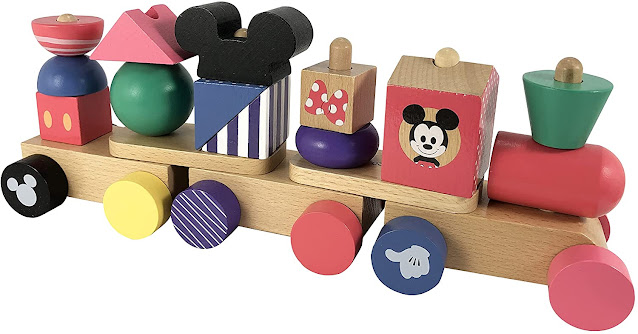
Mickey Mouse Stacking Train Set

Best Wooden Toys for Kids
Mickey Mouse Stacking Train Set

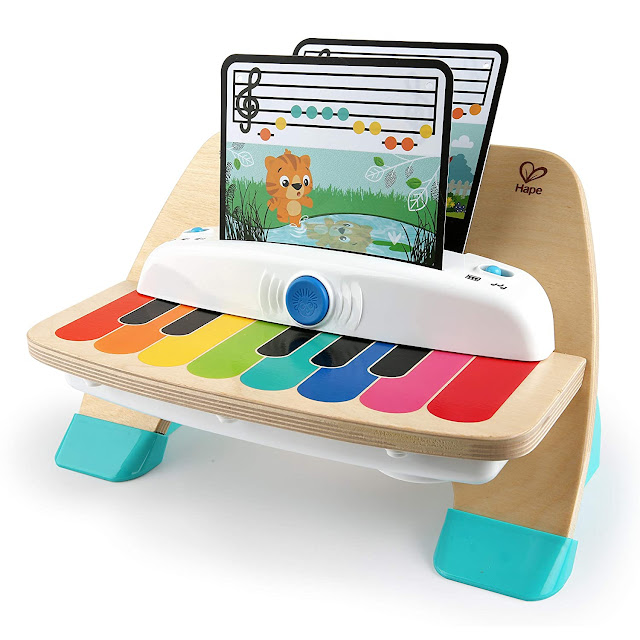
Musical Wooden Piano

Best Wooden Toys for Kids
Musical Wooden Piano

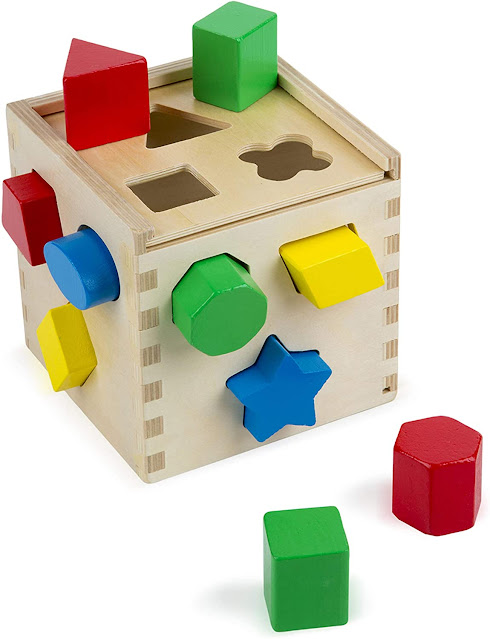
Shape Sorting Cube

Best Wooden Toys for Kids
Wooden Shape Sorting Cube

Wooden Sorter Game

Best Wooden Toys for Kids
Wooden Sorter Game

This item is available here.

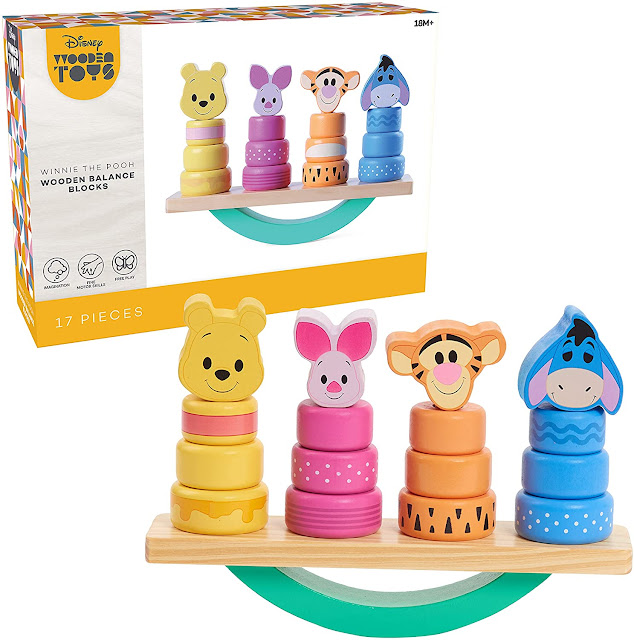
Winnie the Pooh Balance Blocks

Best Wooden Toys for Kids
Winnie the Pooh Balance Blocks

Wooden Truck

Best Wooden Toys for Kids
Wooden Truck

School Bus with 7 Play Figures

Best Wooden Toys for Kids
Wooden School Bus with 7 Play Figures

Here is an oldie but a goodie.  Remember Lincoln Logs?  We had them.  My cousins had them.  We played with them all the time.  Lincoln Logs provided hours of educational entertainment for us way back then and they are still fun for kids to play with today.

Lincoln Logs

Best Wooden Toys for Kids
Lincoln Logs

This item is available here.

As you can see, wooden toys are still great items for kids.  They provide hours of entertainment and kids learn while they play which is, in my opinion, the best way to learn for younger children.  I hope you find these suggestions helpful.  

Did I leave out a favorite from your childhood or a wooden toy your kids love?  Tell us about them in the comments!

PIN ME!

Best Wooden Toys for Kids