Showing posts with label Teaching Reading. Show all posts

Friday, August 28, 2026

How to Teach CVC Words at Home | 5-Minute Phonics Routine

How to teach CVC words at home with a simple 5-minute kindergarten phonics routine for beginning sounds and early reading practice.

How to Teach CVC Words at Home | 5-Minute Kindergarten Phonics Routine

How to Teach CVC Words at Home: A Simple 5-Minute Kindergarten Routine

If your child knows many of their letter sounds but still struggles to read simple words like cat, sun, hat, or bun, you may be wondering what to do next.

This is a very common stage in beginning reading.

Knowing individual letter sounds is important, but children also need to learn to blend those sounds to form words. One of the easiest places to begin is with CVC words.

The good news is that you do not need long lessons, complicated materials, or an expensive reading program to begin practicing CVC words at home.

A few focused minutes each day can go a long way.

In this post, I’ll show you a simple 5-minute CVC word routine for kindergarten that you can use at home, during homeschool lessons, or as extra reading practice after school.


What Are CVC Words?

CVC stands for:

Consonant – Vowel – Consonant

A CVC word contains three letters arranged in that pattern.

Examples include:

  • cat
  • bat
  • hat
  • sun
  • bun
  • dog
  • pig
  • bed

Because these words usually contain short vowel sounds and follow a simple pattern, they are often among the first words children learn to sound out independently.

For example, a child learning to read the word cat can identify each sound:

/c/ – /a/ – /t/

Then the child blends those sounds together:

c-a-t → cat

That seemingly small skill is an important step toward independent reading.


When Is a Child Ready to Begin CVC Words?

Before focusing heavily on CVC words, your child should recognize many common letter sounds.

Read: The Benefits of Using Flashcards to Teach the Alphabet to Children

They do not necessarily need to have every letter and sound perfectly memorized before beginning.

A child may be ready if they can:

  • Recognize most uppercase and lowercase letters
  • Produce many common consonant sounds
  • Recognize short vowel sounds
  • Hear the beginning sound in simple words
  • Attempt to blend two or three sounds together

If your child still needs more practice identifying sounds, begin there.

Then slowly introduce simple three-letter words.

The goal is not to rush.

The goal is to help the child understand that the sounds they already know can be combined to form words.

More Beginning-Sound and Alphabet Practice


A Simple 5-Minute Routine for Teaching CVC Words at Home

You can adjust this routine depending on your child's attention span and reading level.

Five minutes is not a magic number. The point is simply to keep practice short, focused, and manageable.

Here is one easy routine.


Step 1: Review One Short Vowel Sound

Start with one vowel rather than trying to practice every short vowel at once.

For example, begin with short a.

Say:

“A can say /ă/, like apple.”

Then ask your child to repeat the sound.

You might quickly name a few words and ask whether they hear the short-a sound:

  • apple
  • cat
  • hat
  • map

Keep this portion brief.

You are simply reminding the child of the vowel sound they will need when reading the words that follow.


Step 2: Practice Hearing the Beginning Sound

Next, choose a few familiar objects or pictures.

Ask your child to identify the first sound.

For example:

“What sound do you hear at the beginning of cat?”

Your child answers:

/c/

Try another:

“What sound do you hear at the beginning of bat?”

/b/

This helps strengthen phonemic awareness while connecting sounds to letters.

If your child has trouble, stretch the beginning sound slightly:

“C-c-c-cat.”

Then ask again.


Step 3: Build One CVC Word

Now choose one simple word.

Let's use:

cat

Write or display the three letters separately:

c a t

Point to each letter while your child says the sound:

/c/

/ă/

/t/

Next, move your finger underneath the letters from left to right while slowly blending the sounds:

caaaaat

Then say the word normally:

cat

Have your child try.

It may take several attempts before blending feels natural. That is perfectly fine.

Beginning readers often understand individual letter sounds before they can smoothly blend them into a recognizable word.


Step 4: Practice a Word Family

Once your child can blend one word, change only the beginning sound.

For example:

cat

Change c to b:

bat

Then:

hat

Now your child is practicing several words while keeping the -at ending the same.

This is one reason word families can be useful during early phonics practice.

Your child begins to recognize that changing one sound can create an entirely new word.

Try other simple word families as your child progresses:

-AT Words

  • cat
  • bat
  • hat
  • mat
  • sat

-UN Words

  • sun
  • bun
  • fun
  • run

-IG Words

  • pig
  • wig
  • dig
  • fig

-OP Words

  • hop
  • mop
  • top
  • pop

You do not need to practice all of these in one lesson.

Choose one word family at a time.

Instagram graphic about teaching CVC words at home with a simple 5-minute kindergarten phonics routine for beginning sounds and word families.
How to Teach CVC Words at Home | 5-Minute Kindergarten Phonics Practice

Want Some CVC Practice Already Made for You?

If you would rather skip creating your own activities, I made a FREE 5-Minute Phonics Mini Pack with three simple kindergarten phonics activities.

The free printable pack includes:

  • Beginning sound practice
  • CVC word-building practice
  • -AT word family practice
  • -UN word family practice

The activities are designed for quick reading practice with minimal preparation.

Get the FREE 5-Minute Phonics Mini Pack here.

Free kindergarten phonics mini pack with three printable activities for beginning sounds, -AT words, and -UN CVC word practice.

Get the FREE 5-Minute Phonics Mini Pack here.


Step 5: Ask Your Child to Change One Sound

Once your child becomes comfortable blending CVC words, make the activity slightly more challenging.

Say:

“Build the word cat.”

After your child builds or reads cat, say:

“Now change cat to hat.”

Ask:

“Which sound needs to change?”

The child should eventually recognize that only the beginning sound changes:

c → h

You can do the same thing with:

hat → bat

or:

sun → bun

Activities like this encourage children to pay attention to individual sounds within words rather than simply memorizing the appearance of the entire word.


Step 6: Let Your Child Read the Word Without Help

After practicing several words together, give your child an opportunity to try independently.

Point to:

bat

Wait.

Try not to immediately supply the answer.

If your child struggles, guide them back through the sounds:

/b/ – /ă/ – /t/

Then encourage them to blend the sounds.

The goal is not speed.

At this stage, accuracy and understanding matter much more than how quickly the child reads the word.

Fluency comes with practice.


Step 7: Stop While Practice Is Still Going Well

This step is easy to overlook.

You do not have to finish an entire worksheet or practice twenty words simply because your child is doing well.

Sometimes it is better to stop after five successful minutes than to continue until your child becomes frustrated.

You want beginning reading practice to feel achievable.

A simple daily routine might look like this:

Minute 1: Review a vowel sound
Minute 2: Identify beginning sounds
Minutes 3–4: Build and blend CVC words
Minute 5: Read two or three words independently

Done.

Tomorrow, you can practice again.


Why Short Phonics Practice Can Work So Well

Young children do not necessarily need long reading lessons to make progress.

They need consistent opportunities to practice the right skill.

Reading Rockets also explains how explicit phonics instruction helps beginning readers connect letters with sounds and decode words.

A short phonics session can help you focus on one specific objective without overwhelming your child.

One day might focus on:

short A

Another day:

the -AT word family

Another:

short U

Another:

the -UN word family

Small skills eventually begin fitting together.

If you would like more ideas for keeping reading practice short and manageable, read:

5-Minute Phonics for Kindergarten: Easy Reading Activities That Actually Work

That post includes additional simple ways to practice phonics without turning reading time into a long lesson.


What If My Child Keeps Guessing Instead of Sounding Out the Word?

Guessing is common among beginning readers.

If your child sees cat and guesses car, calmly bring their attention back to the letters.

Ask:

“What sound does this first letter make?”

Then:

“What vowel sound do you see?”

Then:

“What sound comes last?”

Finally, blend the sounds together.

Try to avoid giving the word immediately whenever possible.

You want your child to develop the habit of looking at the letters and using the sounds rather than relying entirely on pictures, context, or guessing.


What If My Child Cannot Blend the Sounds?

Some children can easily say:

/c/ /ă/ /t/

but still cannot turn those sounds into cat.

If your child has trouble blending, start with a word that begins with a sound you can stretch, such as sun. Say the sounds smoothly together: ssssuuunnn → sun. As blending becomes easier, move on to words that begin with stop sounds, such as cat or top.

You can also model the process yourself several times before asking your child to try.

There is no reason to rush.

Blending is a new cognitive skill, and some children simply need more repetition before it clicks.


Use Simple Phonics Worksheets for Independent Practice

Once your child understands what to do, printable phonics worksheets can provide useful repetition.

The key is choosing worksheets that focus on a specific skill rather than presenting too many concepts on one page.

That is why I designed my 5-Minute Phonics: Beginning Sounds & CVC Words activities around individual skills.

The full printable pack includes practice with:

  • Short A
  • Short E
  • Short I
  • Short O
  • Short U
  • -AT words
  • -IG words
  • -OP words
  • -ET words
  • -UN words

You can work through the pages in order or choose the skill your child currently needs.

Ready for more practice?

Shop the complete 5-Minute Phonics: Beginning Sounds & CVC Words printable pack here.

Kindergarten phonics printable pack with beginning sounds and CVC word-building worksheets for short, low-prep reading practice.
Shop the complete 5-Minute Phonics: Beginning Sounds & CVC Words printable pack here.

You Don't Need to Turn Phonics Into a Long Lesson

Teaching a child to read can sometimes feel overwhelming—especially when you start thinking about phonemic awareness, phonics, blending, decoding, sight words, fluency, comprehension, and everything else children eventually need to learn.

But today's lesson does not have to teach everything.

Today's lesson can simply be:

“Let's learn how to read cat.”

Tomorrow you can build on that.

Five focused minutes of practice today, another few minutes tomorrow, and another short lesson the day after that can gradually build skills and confidence.

Keep it simple.

Practice one skill.

Celebrate progress.

Then come back and practice again.


Get Your Free Kindergarten Phonics Activities

If your child is beginning to practice letter sounds and CVC words, download my FREE 5-Minute Phonics Mini Pack.

You'll receive three printable phonics activities you can use at home, in your homeschool, or in the classroom.

Get the FREE 5-Minute Phonics Mini Pack

Print the activities, grab a pencil, and spend a few focused minutes practicing together.

Sometimes five minutes is all you need to take the next small step toward reading.

Pin this post!

Pinterest pin about how to teach CVC words at home with a simple 5-minute kindergarten routine using beginning sounds and CVC word practice printables.
How to Teach CVC Words at Home | Simple 5-Minute Kindergarten Routine

Friday, March 6, 2026

How Phonics Worksheets Benefit Young Learners

An illustrated infographic by Abundant Family Living titled 'Benefits of Phonics Worksheets for Early Readers.' A young boy smiles while completing a phonics printable at a desk, surrounded by four highlighted benefits: solidify letter-sounds, develop fine motor skills, enhance visual discrimination, and foster independence.
Benefits of Phonics Worksheets For Early Readers

How Phonics Worksheets Benefit Young Learners

Watching your child sound out their very first word is a magical milestone. But if you are teaching reading at home or supporting your kindergartener's classroom learning, you might be wondering what tools actually work best. Between flashcards, apps, and games, it is easy to feel overwhelmed.

While hands-on play is incredibly important, simple, well-designed phonics worksheets remain one of the most effective tools for early literacy. Learning to read should feel like a natural, gentle progression rather than a stressful chore.

Here is a look at why adding high-quality phonics printables to your daily routine can make a world of difference for your young learner.

1. They Solidify Letter-Sound Connections

Reading is essentially decoding a secret visual language. Phonics worksheets help children bridge the gap between recognizing a letter (like "A") and associating it with a sound (like "ah" for apple). When a child is asked to look at a picture of a cat and choose the correct starting letter, they are actively practicing that crucial letter-sound correspondence. It gives them the repetitive, focused practice their brains need to make those connections permanent.

2. They Build Fine Motor Skills

A great phonics activity isn't just about reading; it's about physical development, too! The best worksheets seamlessly integrate fine motor practice.

  • Coloring: Shading in the correct letter bubble strengthens grip and hand endurance.

  • Cutting and Pasting: Snipping out letters and gluing them next to corresponding pictures develops hand-eye coordination and scissor skills.

  • Drawing Lines: Tracing paths or drawing arrows to match a picture to a sound helps build the exact muscle control needed for handwriting later on.

An educational infographic by Abundant Family Living titled 'Key Benefits of Phonics Worksheets for Early Readers.' It highlights four benefits with illustrations: Solidify Letter-Sounds showing a cat and the letter C; Develop Fine Motor Skills showing hands coloring and cutting; Enhance Visual Discrimination showing a magnifying glass focusing on a dinosaur; and Foster Independence showing a happy child studying at a desk.
Key Benefits of Phonics Worksheets for Early Readers

3. They Foster Independent "Quiet Time" Learning

Let’s be honest—parents need a few moments of peace during the day! One of the greatest hidden benefits of phonics worksheets is that they encourage independent learning. Once a child understands the basic directions (like "color the picture that starts with this letter"), they can often complete the page on their own. This builds their confidence, teaches them how to focus on a single task from start to finish, and gives you a chance to prep lunch or enjoy a hot cup of coffee.

4. They Provide Visual Discrimination Practice

To an untrained eye, a lowercase "b" and a lowercase "d" look exactly the same. Worksheets train a child's eyes to notice tiny details and differences. When they have to hunt through a row of images to find the one that starts with a specific letter, they are developing visual discrimination—a vital skill for eventually distinguishing between similar-looking sight words.

5. They Give Parents a Clear Roadmap

When you are trying to teach phonics at home, it is easy to accidentally skip steps. Worksheets provide a structured, bite-sized way to review specific concepts. You don't have to overthink your lesson plan; you can just print a page that targets beginning sounds, hand over some crayons, and know that your child is getting valuable, focused practice.


Looking for a stress-free way to practice these skills at home?

If you want to bring the benefits of phonics practice into your home without any complicated prep work, check out my Playful Alphabet Sounds Activity Bundle in the Abundant Family Living shop!

This 4-page digital download is packed with engaging, low-mess activities including color-the-sound bubbles, snip-and-stick letter matching, and picture hunting. Just print the pages, grab a few crayons and a glue stick, and watch your little one's reading confidence grow!

PIN ME!

A Pinterest graphic titled "4 Key Benefits of Phonics Worksheets for Early Readers." A smiling young girl with glasses is happily working on a beginning sounds matching worksheet with a green crayon. The bottom text reads, "Boost early reading confidence at home!" next to the Abundant Family Living logo.
  • Benefits-of-Phonics-Worksheets-Early-Readers-Kindergarten

  • Sunday, October 5, 2025

    The Benefits of Using Flashcards to Teach the Alphabet to Children

    The Benefits of Using Flashcards to Teach the Alphabet to Children
    The Benefits of Using Flashcards to Teach the Alphabet to Children

    The Benefits of Using Flashcards to Teach the Alphabet to Children

    Teaching young children the alphabet is one of the most important steps in early childhood education. It lays the foundation for reading, writing, and lifelong learning. One of the most effective—and fun—ways to help kids learn their ABCs is through alphabet flashcards. Whether used at home, in the classroom, or during homeschool lessons, flashcards make learning interactive, visual, and engaging.  Let's look at the benefits of using flashcards to teach the alphabet to children, plus creative ways to make the experience even more enjoyable for kids.

    Educational Benefits of Alphabet Flashcards

    1. Enhance Memory and Recall

    Flashcards are powerful tools for building memory. Repetition and visual association help children remember letter shapes, sounds, and names more effectively. When children repeatedly see and say each letter, it strengthens neural connections in their developing brains—boosting both short-term recognition and long-term recall.

    2. Build Phonemic Awareness

    Phonemic awareness—the ability to hear and identify sounds in spoken words—is a critical pre-reading skill. When alphabet flashcards are used alongside pronunciation practice (for example, “A is for apple”), children learn to connect letters with their corresponding sounds. This helps prepare them for phonics-based reading instruction later on.

    3. Develop Visual Discrimination

    Children must learn to recognize the differences between similar-looking letters, such as b and d or p and q. Alphabet flashcards give them plenty of opportunities to visually compare letters and identify subtle distinctions in shape and form, improving visual processing and attention to detail.

    4. Promote Active Learning

    Unlike worksheets or screen-based learning, flashcards invite movement and interaction. Kids can touch, hold, and manipulate the cards, which promotes hands-on engagement. This physical interaction keeps little learners interested while supporting kinesthetic learning styles.

    5. Encourage Confidence and Independence

    As children begin to recognize letters on their own, their confidence grows. Flashcards allow them to practice independently, at their own pace, without fear of making mistakes in front of others. Mastering even a few letters at a time builds momentum and motivation to keep learning.

    The Benefits of Using Flashcards to Teach the Alphabet to Children
    The Benefits of Using Flashcards to Teach the Alphabet to Children

    Creative Ways to Use Alphabet Flashcards with Kids

    Flashcards don’t have to be boring! Here are some fun and creative activities that transform traditional flashcard learning into exciting playtime:

    1. Alphabet Scavenger Hunt

    Hide flashcards around the room and challenge your child to find them. When they locate a card, have them say the letter and name something that begins with that letter (e.g., “B – ball”). This adds movement, exploration, and real-world connection to learning.

    2. Letter Sound Hop

    Lay the flashcards on the floor. Call out a sound, and let your child hop to the matching letter. This is a wonderful way to blend gross motor play with phonics practice—perfect for energetic learners.

    3. Matching Games

    Print two sets of flashcards and use them for memory-matching games. Start with a few pairs and increase as your child progresses. This enhances concentration and visual memory.

    4. Alphabet Sorting

    Encourage children to sort flashcards in fun ways—uppercase vs. lowercase, vowels vs. consonants, or even by color if your set is color-coded. Sorting helps children recognize categories and patterns in letters.

    5. Story Time Challenge

    Pick a flashcard at random and have your child create a short story or sentence using a word that begins with that letter. For example, if they draw the letter “C,” they might say, “The cat chased the colorful car.” This builds creativity and language skills.

    6. Art and Craft Fun

    Let kids decorate each flashcard with drawings or stickers of items that start with that letter. This helps reinforce associations while allowing for self-expression and creativity.

    Why Parents and Teachers Love Flashcards

    Alphabet flashcards are affordable, portable, and versatile. They can be used in car rides, waiting rooms, classrooms, or cozy reading corners. Best of all, they can be easily adapted for different learning styles—visual, auditory, and kinesthetic—making them an ideal early literacy tool for every child.

    When used consistently and creatively, alphabet flashcards turn learning the ABCs from a simple memorization task into a fun, hands-on experience that fosters curiosity, confidence, and a lifelong love for learning.

    Pin me!

    The Benefits of Using Flashcards to Teach the Alphabet to Children
    The Benefits of Using Flashcards to Teach the Alphabet to Children

    You might also like:

    Dolch Sight Words Flashcards for Pre-K


    Thursday, March 27, 2025

    The Benefits of Beginning Letter Sounds Coloring Worksheets for Kids

    The Benefits of Beginning Letter Sounds Coloring Worksheets for Kids
    The Benefits of Beginning Letter Sounds Coloring Worksheets for Kids

    The Benefits of Beginning Letter Sounds Coloring Worksheets for Kids

    Are you a parent or educator looking for a resource for teaching beginning letter sounds?  I have a resource for you!  Our Beginning Letter Sounds Coloring Worksheets offer a blend of creativity and learning, making them a great addition to any preschool or kindergarten curriculum.  Here are several benefits of beginning letter sounds coloring worksheets.

    Promotes Phonemic Awareness

    Phonemic awareness is crucial for young children as they start to learn how to read. Beginning letter sounds coloring worksheets help children recognize and sound out the initial letters of words, which is essential for developing their reading skills. As they color pictures associated with specific sounds, they reinforce their understanding of how letters correspond to sounds. For example, when a child colors a picture of an apple while learning the 'A' sound, they can directly connect the letter to a familiar object.

    Enhances Fine Motor Skills

    Coloring is not just fun; it's a vital activity for developing fine motor skills. As children grasp crayons, markers, or colored pencils, they strengthen the small muscles in their hands and wrists, which are important for writing later on. Worksheets that combine coloring with letter recognition tasks provide an opportunity for children to practice these skills in a structured way. Over time, this practice leads to improved hand-eye coordination and dexterity, setting a solid foundation for future writing activities.

    Encourages Creativity and Expression

    Coloring is a fantastic outlet for creativity. Beginning letter sounds coloring worksheets allow children to express themselves through color choices and artistic interpretation. This creative expression fosters an enjoyable learning environment where kids feel free to explore their artistic sides while simultaneously learning essential pre-reading skills. The act of coloring can also serve as a stress-reliever, making learning more enjoyable and less intimidating for young minds.

    Supports Visual Learning

    Every child has a unique learning style, and many are visual learners who benefit greatly from visual aids. The use of color in beginning letter sounds worksheets aids in memory retention. When children associate a specific color with a letter or sound, it enhances their ability to recall that information later on. This multisensory approach to learning, combining visual, tactile, and auditory elements, can significantly improve comprehension and retention of letter sounds.

    Fosters Independent Learning

    By providing children with coloring worksheets, parents and teachers can encourage independent learning. Kids can work at their own pace, developing a sense of accomplishment as they complete each worksheet. This independence not only builds confidence but also instills a love for learning. As they progress, children gain a sense of ownership over their education, which can last a lifetime.

    Reinforces Letter Recognition

    Finally, these worksheets act as a practical tool for reinforcing letter recognition. Frequent practice with beginning letter sounds helps children internalize the alphabet and their corresponding sounds, paving the way for effective reading skills. When combined with other learning activities, such as storytelling and phonics games, coloring worksheets become a versatile resource in any educational setting.

    Beginning Letter Sounds Coloring Worksheets is a fun activity and a great educational resource.  By promoting phonemic awareness, enhancing fine motor skills, encouraging creativity, supporting visual learning, fostering independence, and reinforcing letter recognition, these worksheets lay a solid foundation for early literacy development. Incorporating them into your child’s daily routine can make a significant impact on their learning journey, setting them up for success in reading and beyond. 


    Pin this post!

    The Benefits of Beginning Letter Sounds Coloring Worksheets for Kids
    The Benefits of Beginning Letter Sounds Coloring Worksheets for Kids

    You may also like:


    Shop with me!


    Sunday, September 24, 2023

    My ABC Coloring Book


    My ABC Coloring Book
    My ABC Coloring Book

    We have a new printable in the shop!  Children will love learning their ABCs while coloring in their My ABC Coloring Book.  The cover page is pre-made for them.  Children can staple the pages together to make their book or parents can staple the pages together for them before they begin coloring the pages.  Each page of the booklet is dedicated to a specific letter.  

    It is important for children to learn to identify the letters of the alphabet.  Sarah over at Stay at Home Educator says that in order to have true fluency in letter recognition, children must be able to do four things:

    1.  Identify letter names in isolation.

    2.  Identify letters in context of words.

    3.  Identify letters accurately.

    4.  Identify letters automatically.

    We believe our "My ABC Coloring Book" will help your child master the skills needed to reach true fluency in letter recognition.

    My ABC Coloring Book

    My ABC Coloring Book Real Life Image 1
    My ABC Coloring Book Cover

    Children will trace the arrows within the letters to learn how to properly write their ABCs.  Then they will color animals or items with the same beginning sounds as each respective letter of the alphabet.  If your printer won't print on both sides of the paper or you choose not to print on both sides of the paper, you can have your children cut out or print out images of various items.  Then, they can paste the images on the back of the pages that match the beginning sounds of the items.  

    While enjoying their My ABC Coloring Book, children will learn to identify letters of the alphabet, learn to write both upper case letters and lower case letters, and practice small motor skills as they color.  If your child chooses to cut and paste items to match beginning sounds, they will gain even more opportunities to practice small motor skills.

    My ABC Coloring Book Real Life Image 2
    My ABC Coloring Book Letter J

    More ways to help your child learn the alphabet:

    Read and play with letter blocks or magnets.

    Sing alphabet songs.

    Read alphabet books.

    Use letter tracing books.

    Label simple and easy to read items in your house using index cards.  For example, clearly write "chair" on and index card and tape it to a chair.  Label a cup, a plate, a table - you get the idea.  Ask your child to read the cards often and talk about the times.  This will help you develop a language rich environment for your child.  A child who learns to love reading will establish a skill set that will support a lifelong journey of success.


    Get your copy of My ABC Coloring Book here!

    You might also like:

    Farm Animals Matching Game Plus 25 More Activities for Building a Farm Animals Unit

    Farm Animals Matching Game
    Farm Animals Matching Game

    Dolch Sight Words Flashcards for Pre-K

    Dolch Sight Words Flashcards for Pre-K
    Dolch Sight Words Flashcards for Pre-K

    Pin Me!

    My ABC Coloring Book Pinterest Image
    My ABC Coloring Book


    Wednesday, July 5, 2023

    Farm Animals Matching Game Plus 25 More Activities for Building a Farm Animals Unit

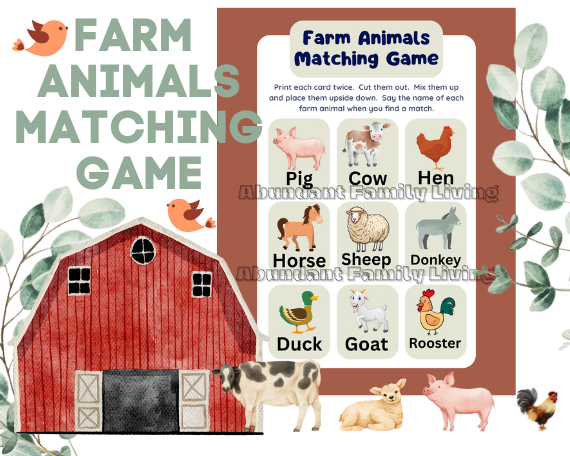
    I've worked with a lot of kids and I've never met a child who doesn't love farm animals.  Kids love farm animal sounds, animal moves, and all the feels of farm animal skins and furs.  A farm animal unit is bound to get your kids up and exercising those large and small motor skills, singing farm animal songs, and loving all the fun of farm animal games.  Oh, and they will love the farm animal snacks too!  First, let's take a look at the newest item in the shop, Farm Animals Matching Game.

    Farm Animals Matching Game

    There are several benefits of memory matching games for kids.  Memory matching games help improve concentration.  They help children learn to pay more attention to details.  Memory matching games help improve short term memory, focus, and improve vocabulary.  Memory matching games don't usually take a long time to complete so they are great for times when you want to do something constructive with the kids but you don't have a lot of time.  Kids who need to build self confidence are less likely to become frustrated with a game when they can complete it in a shorter amount of time.

    How about starting off your farm animal fun with a farm animals matching game?
    Farm Animals Matching Game, Image
    Farm Animals Memory Matching Game

    This memory matching game is perfect for the farm animal loving little learner in your life.  After downloading your copy of the farm animals matching game, print out 2 copies on card-stock paper.  Cut out the cards.  You can laminate them for durability.  Place the cards face down on a table or the floor to play a memory matching game.  

    In addition to improving memory and concentration skills, your child will learn to recognize farm animal words (pig, cow, hen, horse, sheep, donkey, duck, goat, and rooster).  This game is a great addition to your farm animal study in your homeschool environment or as a supplemental resource in addition to your child's public school curriculum . . . or just for fun!

    More Farm Animal Activities to Help You Build a Farm Animal Unit

    Circle Time Activities

    Farm Preschool Circle Time (Busy Hands and Minds)

    Little Pig (Flannel Board Fun)

    Gross Motor Farm Game (Modern Preschool)

    9 Books and Circle Time Activities for 2 and 3 Year Olds (No Time for Flashcards)

    Farm Books for Little Learners (PocketOfPreschool)

    Farm Songs

    I Went to Visit a Farm One Day (Let's Play Music)

    To the Farm (Enchanting Little Minds)

    Farm Songs for Kids (Pre-K Pages)

    Farm Songs (Preschool Inspirations)

    Farm Songs for Kids (Prekinders)

    Farm Books

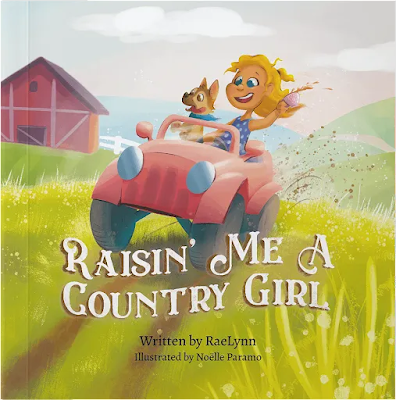
    Raisin' Me a Country Girl by Raelynn Davis

    Raisin' Me a Country Girl by Raelynn Davis
    Raisin' Me a Country Girl by Raelynn Davis

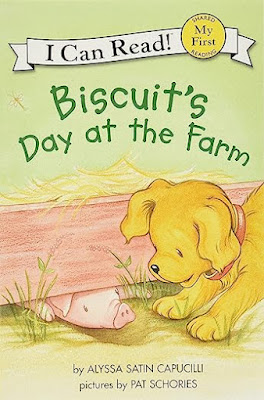
    Biscuits Day at the Farm

    Biscuits Day at the Farm, Book
    Biscuits Day at the Farm

    Cows Can Moo! Can You?

    Cows Can Moo Can! You?, Image, Book
    Cows Can Moo! Can You?

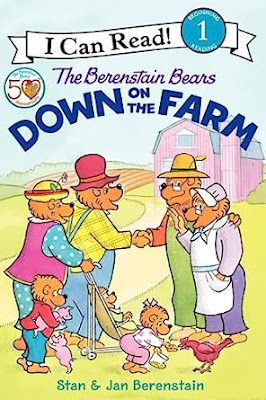
    The Berenstain Bears Down on the Farm

    The Berenstain Bears Down on the Farm, Book, Image
    The Berenstain Bears Down on the Farm

    Moo Moo Peekaboo - Chunky Lift the Flap Board Book

    Moo Moo Peekaboo Chunky Lift the Flap Board Book, Image
    Moo Moo Peekaboo Chunky Lift the Flap Boardbook

    Farm Games

    Printable Farm Bingo Card Set (WondermomWannabe)

    Pulling Tractor Party - Part 4:  Games (Not Your Normal Steam)

    Farm Animal Ring Toss Game (Craftulate)

    Fun Games for Kids Series:  How to Play Duck Duck Goose (Childhood 101)

    Farm Math Games Perfect for Preschoolers (Fun A Day)

    Farm Snacks

    Haystacks Snack for Kids:  Farm Themed and Kid Made (Views from a Step Stool)

    Barnyard Bagels (Party Pinching)

    Farm Animal Snacks (HomeschoolPreschool)

    Graham Cracker Barn (Hungry Happenings)

    Cheerios Sheep Snacks (Everyday Dishes)

    You Might Also Like

    Dolch Sight Words Flashcards for Pre-K

    Dolch Sight Words Flashcards for Pre-K Image
    Dolch Sight Words Flashcards for Pre-K

    PIN ME!

    Farm Animals Matching Game, Image, Pinterest
    Farm Animals Memory Matching Game - PIN ME!

    May you live life abundantly,
    Tina